Process optimization | Tagatic

young-people-collaborating-meeting-1280x853.jpg
2026-11-06

Training, a 5S campaign, a few new boards along the lines, and a year later, the production hall looks almost the same as before. Lean transformation assumes a different path: it starts with the problem that most hinders the company, changes management methods, and continues for years. Together with Leantrix, we explain what this path involves and how to ensure that the changes stick on the production hall.

LeanSummit-banner-1280x853.jpg
2026-11-05

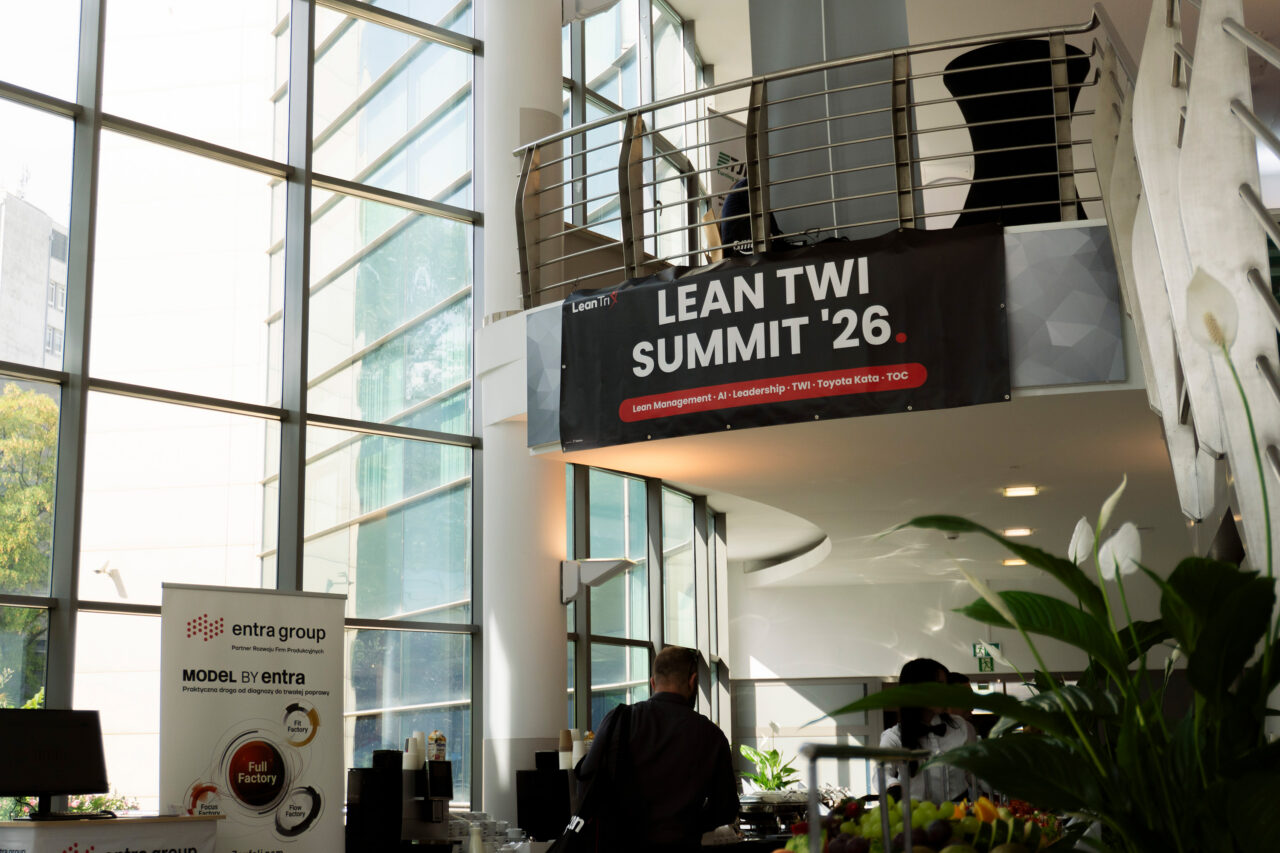
Two days, over 50 speakers, and five rooms operating simultaneously. It's easy to listen to a bit of everything at Lean Summit over the course of two days and return without a plan of where to begin. We'll advise you on how to prepare for the 2027 edition and what to do after your return to ensure the conference translates into changes within your company.

Meeting-place-1280x855.jpg
2026-09-09

Production reports show the numbers. The Gemba Walk reveals reality. This is one of the fundamental lean management practices, which involves managers going down to the shop floor and observing the process where it actually happens, instead of analyzing data from the office. It's a simple idea, but in practice, it requires discipline and skills that aren't acquired overnight.

AdobeStock_117297528-1280x852.jpg
2026-08-19

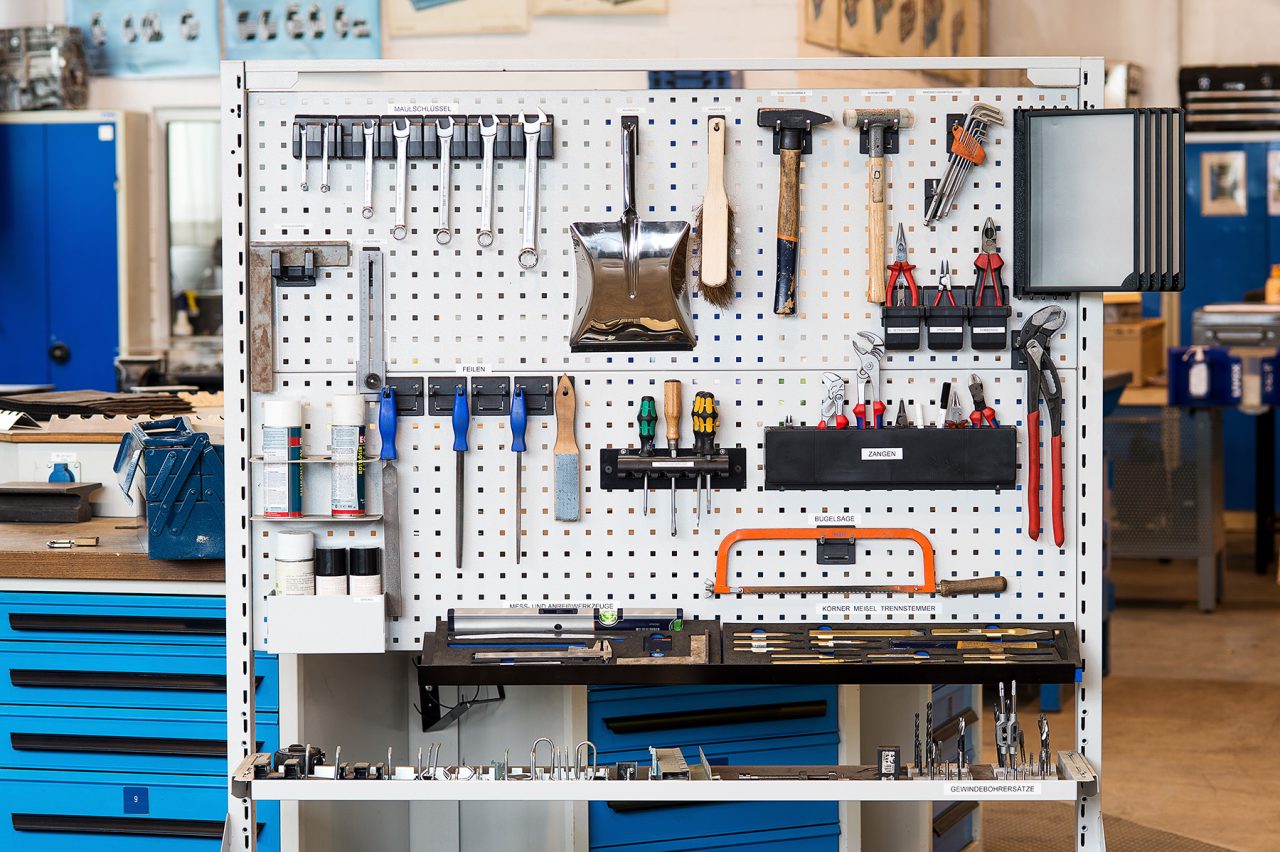
5S is one of the most popular methods of workplace organization. Most companies that implement it stop at the fourth S. The fifth, self-discipline, is the most difficult and the only one that cannot be implemented in a single action.

Opening-frame-with-full-magnetic-back-jpg-1280x855.jpg
2026-08-12

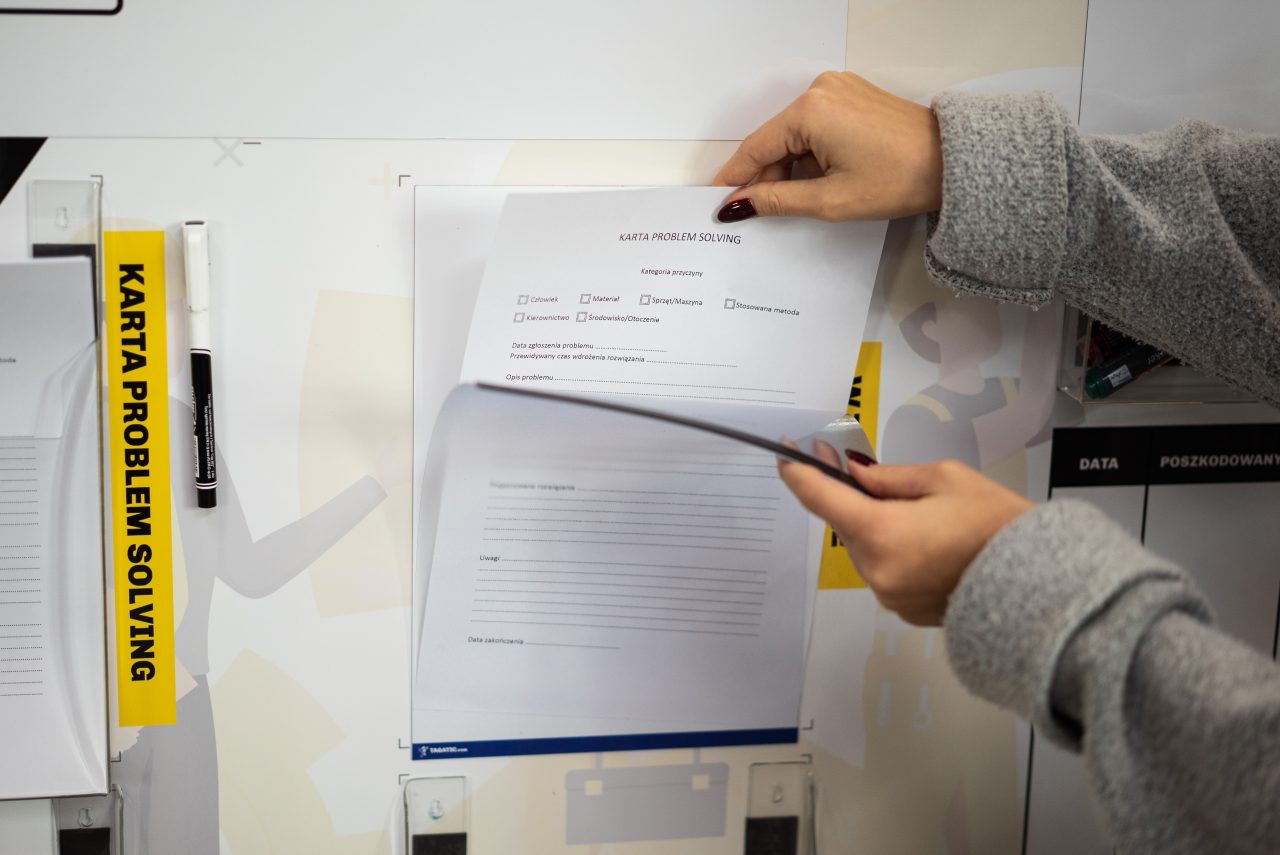
In a manufacturing plant or warehouse, hundreds of small decisions are made every day. Where to put a component. Which way to walk to avoid stepping in front of a forklift. Are inventory levels within acceptable limits? Who's on which shift today? Is a machine operating as planned? Most of these decisions don't require a report or a meeting. They require one thing: quick, clear information in the right place.

70611577-1280x853.jpg
2026-08-05

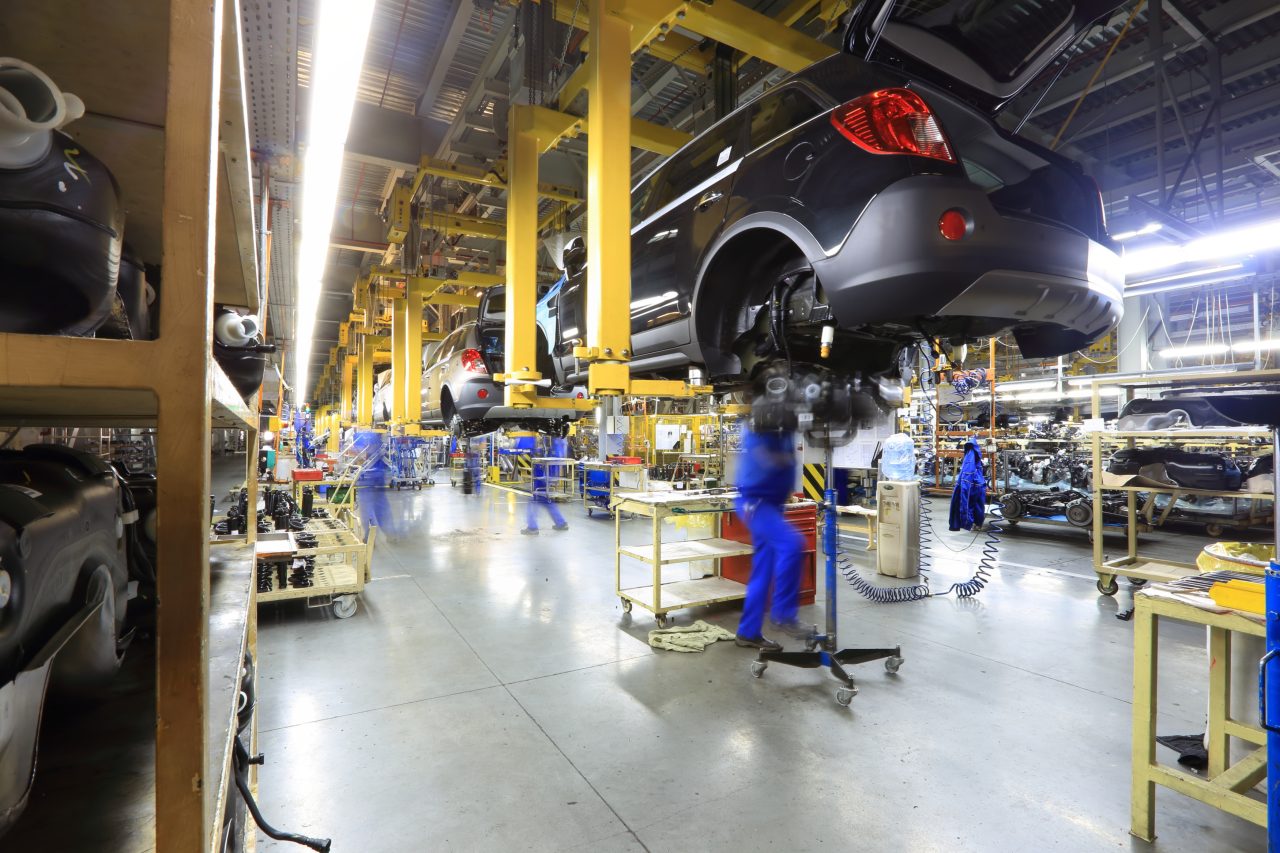
The automotive industry is unforgiving. Components are manufactured with tolerances down to tenths of a millimeter, assembly lines are synchronized to the second, and just-in-time deliveries are inevitable. In such an environment, every element of spatial organization must function flawlessly, because the consequences of disorder are immediately felt.

Production_hall_31482267-1280x853.jpg
2026-07-28

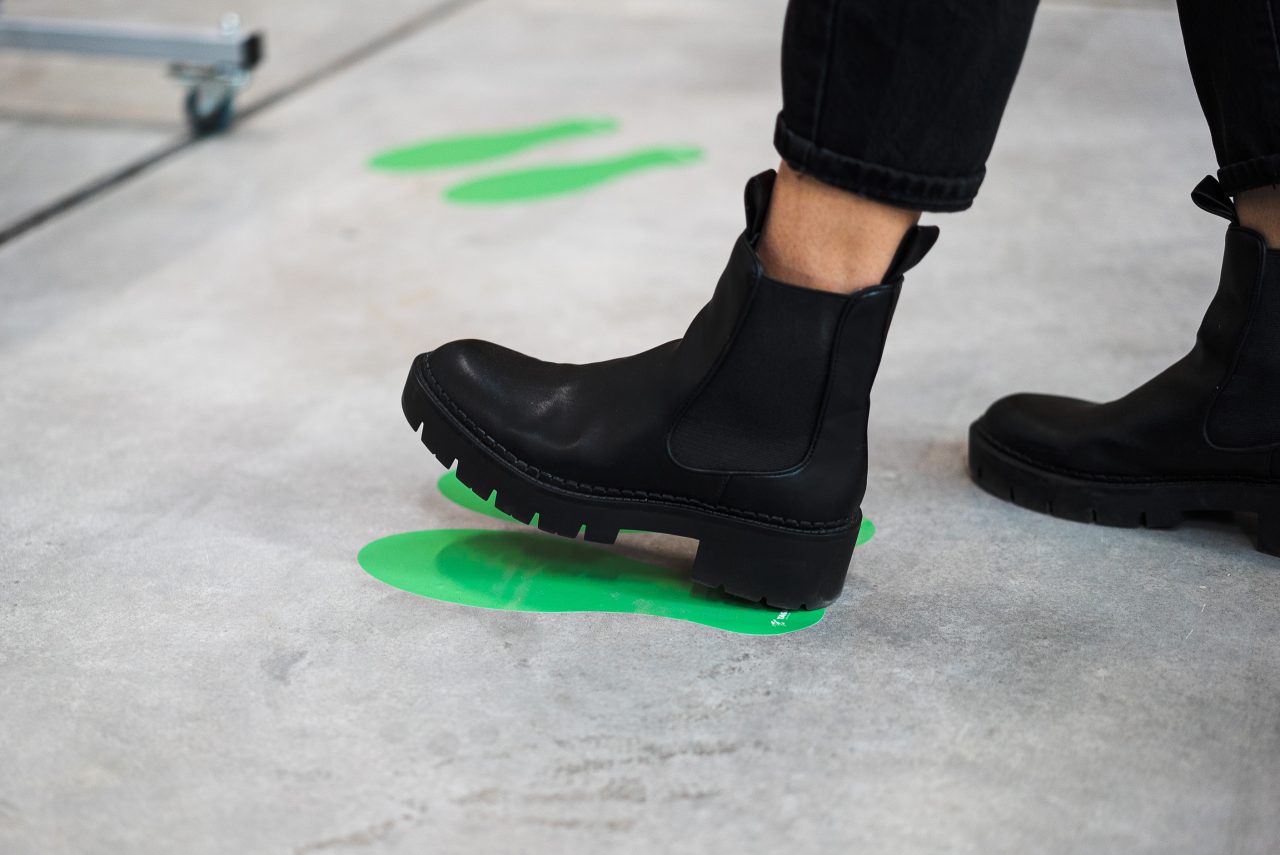
Lean implementation typically begins with training. The team learns the methodology, understands waste, and sees where flow can be improved. Then they return to the shop floor and encounter the same space as before the training. Tools are lying around, zones are unmarked, and information about process status resides in the shift manager's head.

The knowledge is there, but the conditions for its application are not.

machine-in-production-1280x853.jpg
2026-05-27

The production process can be conducted in many ways. Work can be divided among multiple operators, each responsible for a specific step. A linear flow can be established. Alternatively, solutions derived from the Toyota production system, such as chaku-chaku, can be employed. This time, we take a closer look at this method, specifically in terms of its demands on space and workstation organization.

shutterstock_2470161833-1280x856.jpg
2026-05-14

Every minute of machine downtime costs money. In manufacturing plants where product changes are frequent, changeovers are one of the biggest time-wasters. SMED, a methodology for reducing changeover times to under ten minutes, is the answer to this problem.