
How to prepare a production hall for lean implementation?
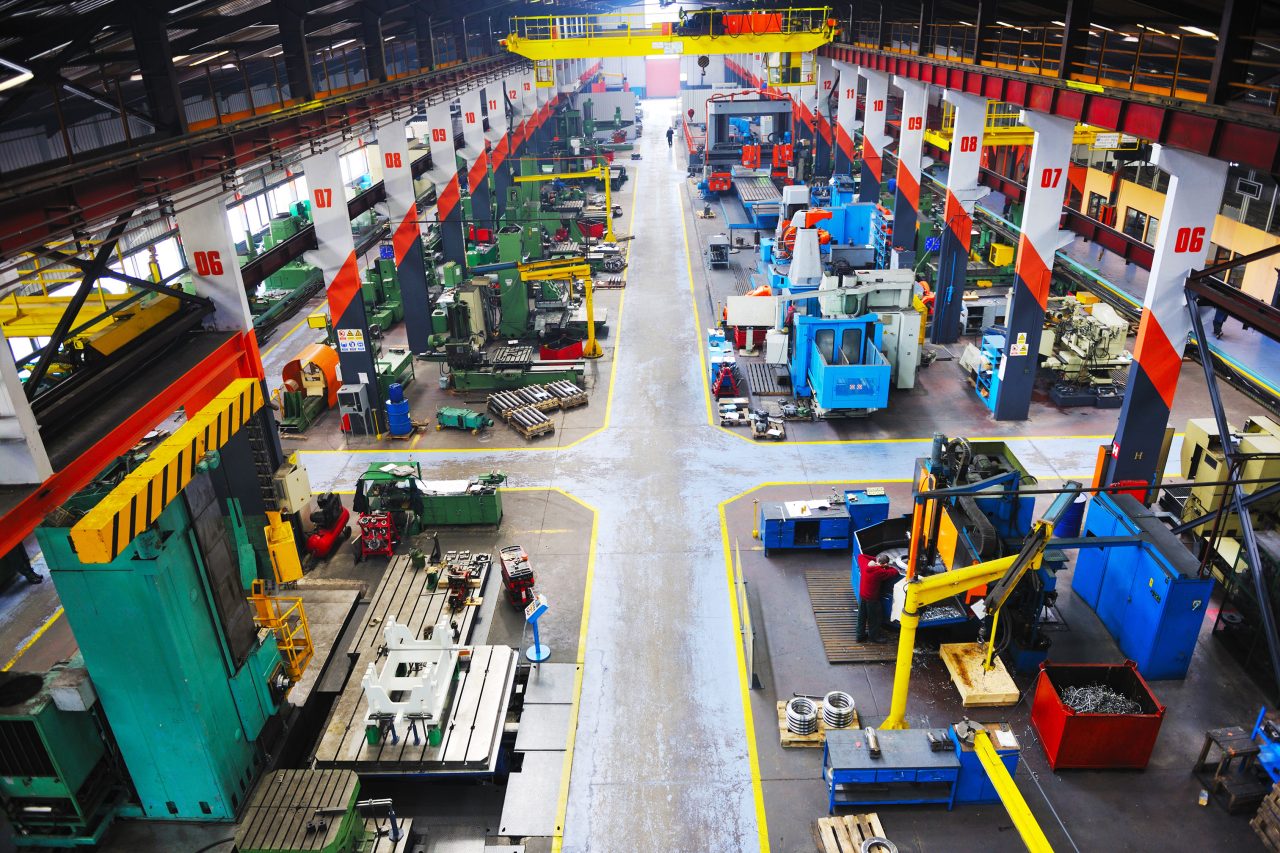
Lean implementation typically begins with training. The team learns the methodology, understands waste, and sees where flow can be improved. Then they return to the shop floor and encounter the same space as before the training. Tools are lying around, zones are unmarked, and information about process status resides in the shift manager's head.
The knowledge is there, but the conditions for its application are not.
Lean-ready hall
Lean requires a space that supports the methods, not hinders them. Before you begin training, it's worth asking yourself: is my facility ready for what I plan to implement?
Floor: Flow Starts Here
Lean is based on flow. Material should flow through the process without unnecessary stops, searches, or backtracking. But no flow is possible unless the physical space supports it.
Transport routes must be clearly defined and separated from pedestrian areas. Storage areas must have their own locations and boundaries. Material must go where it belongs, not wherever there's available space.
Floor markings, tape, and stickers define this structure without requiring a remodel. This is the first step, without which each subsequent step becomes more difficult.
Min/Max Markings: When to React
Lean and pull systems require visible inventory levels. If the buffer zone doesn't have a marked maximum, material piles up. If there's no minimum, no one knows when to replenish. Decisions are made too late or too early, because everyone assesses the situation differently.
Marked min and max levels at buffer zones and containers turn this assessment into a fact that everyone sees the same.
Dry Erase Boards: Information That Keeps Up with the Process
Lean requires up-to-date information. Plans, status, problems, and tasks change. In an environment where things change, hard-coded information quickly becomes outdated.
A dry-erase board at a workstation or line allows you to update information with a marker in seconds. The shift manager notes task status, the operator adds a note, and the leader updates the plan. Nothing needs to be printed, nothing needs to be approved.
The board layout can be designed for a specific process: columns representing production stages, rows representing shifts, and spaces for the metrics you track daily. We design it together with the client, as every production facility has a different rhythm.
Status Magnets: One Glance Is Enough
At the board, the question arises: how to quickly mark status without writing? Status magnets provide the answer in one move. Green: everything is fine. Yellow: something needs attention. Red: stop, there's a problem.
In a lean environment, where quick response to deviations is essential, such a magnetic board gives the manager and the team a shared picture of the situation.
Instructions at the stands: the standard must be visible
Lean standardizes work. But the standard contained in the binder doesn't exist for the operator who has to make a decision at the machine.
5S openable frames allow you to place the current manual at your workstation in a permanent and easily updated manner. When a process changes, replacing the document takes only a moment. Employees always carry the current version, not the one from before the last change.
Competency Dashboard: Who's Ready?
Lean relies on people who understand the process. Before you begin training, it's important to know where you stand: who on the floor can do what, who needs supervision, and who can teach others.
The competency board at the line shows this in one place. The manager can see competency coverage for each shift. They know who can cover an absentee and where there are gaps to plan for.
Suggestion Board: Lean Starts with the People on the Floor
Kaizen, or continuous improvement, begins with the observations of the people who work with the process every day. Operators see problems that the office manager doesn't. But if there's no easy way to report these observations, they linger in the mind or get lost in the daily noise.
A suggestion board at a workstation or near the entrance to the hall gives employees a tool for submitting ideas. A piece of paper, a pocket, a litter box. Simple and barrier-free. Combined with a rhythm for reviewing and responding to suggestions, it becomes one of the simplest tools for engaging the team in improvement.
The space is ready, it's time for people
When a space is organized, labeled, and provides information where it's needed, lean training reaches fertile ground. People see that the methods they hear about are physically reflected on the shop floor. It's easier to understand flow when the flow is visible. It's easier to apply a standard when it's posted at the workstation.
Preparing the space is your responsibility. Preparing people is an area where it's worth seeking outside support. Leantrix conducts training and workshops on lean implementation, which connect the methodology with the realities of a specific facility. If you're planning an implementation, discussing where to begin is a good first step.