Lean | Tagatic

male-employees-warehouse-1280x858.jpg
2026-11-02

After a good Lean training session, people return to work with their heads full of ideas. A week later, the daily grind returns: a plan to execute, a breakdown on the line, vacations on the schedule. Ideas go into a notebook and stay there.

Together with Leantrix, we advise you on how to choose training so that it applies to your facility from the very beginning, and what to do in the first two weeks to make the change really happen.

Meeting-place-1280x855.jpg
2026-09-09

Production reports show the numbers. The Gemba Walk reveals reality. This is one of the fundamental lean management practices, which involves managers going down to the shop floor and observing the process where it actually happens, instead of analyzing data from the office. It's a simple idea, but in practice, it requires discipline and skills that aren't acquired overnight.

people-planning-checking-schedule-with-board-warehouse-with-calendar-order-details-man-woman-together-with-checklist-clipboard-supplier-information-inventory-updates-1280x854.jpg
2026-08-28

No manager can see everything. An operator who spends eight hours a day on the same machine sees things that aren't visible from the office: minor hiccups, recurring problems, areas where something could work better. A plant that can gather and utilize this knowledge improves faster than one that relies solely on management's ideas.

AdobeStock_117297528-1280x852.jpg
2026-08-19

5S is one of the most popular methods of workplace organization. Most companies that implement it stop at the fourth S. The fifth, self-discipline, is the most difficult and the only one that cannot be implemented in a single action.

Opening-frame-with-full-magnetic-back-jpg-1280x855.jpg
2026-08-12

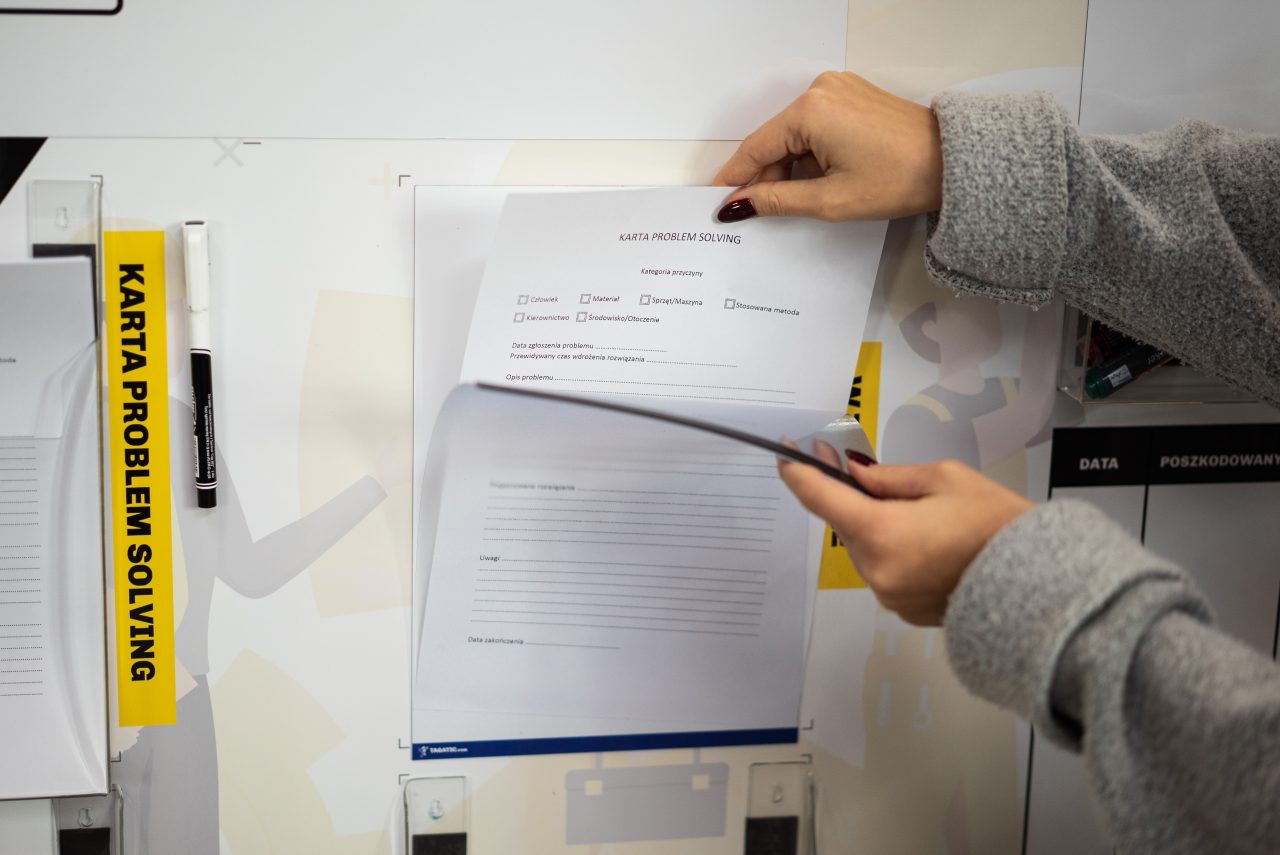
In a manufacturing plant or warehouse, hundreds of small decisions are made every day. Where to put a component. Which way to walk to avoid stepping in front of a forklift. Are inventory levels within acceptable limits? Who's on which shift today? Is a machine operating as planned? Most of these decisions don't require a report or a meeting. They require one thing: quick, clear information in the right place.

70611577-1280x853.jpg
2026-08-05

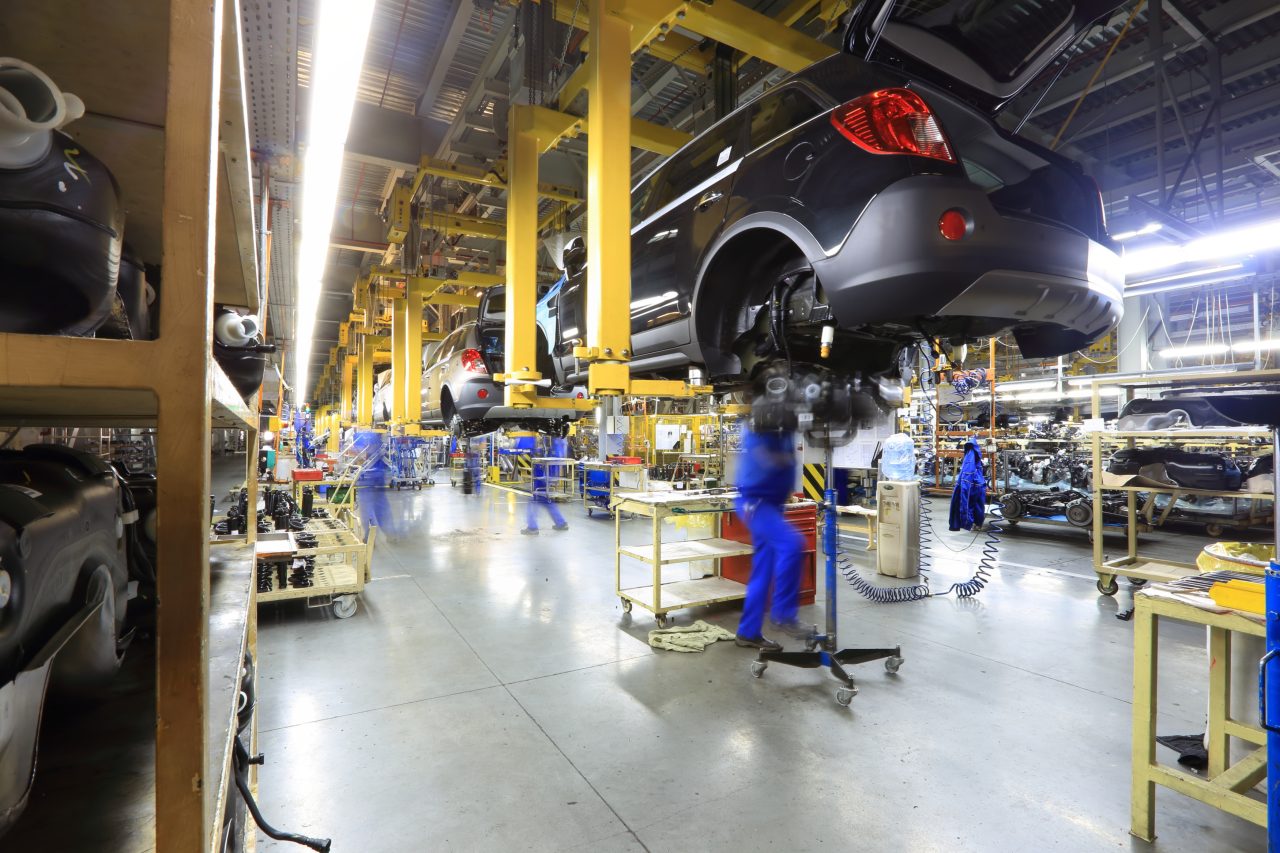
The automotive industry is unforgiving. Components are manufactured with tolerances down to tenths of a millimeter, assembly lines are synchronized to the second, and just-in-time deliveries are inevitable. In such an environment, every element of spatial organization must function flawlessly, because the consequences of disorder are immediately felt.

Production_hall_31482267-1280x853.jpg
2026-07-28

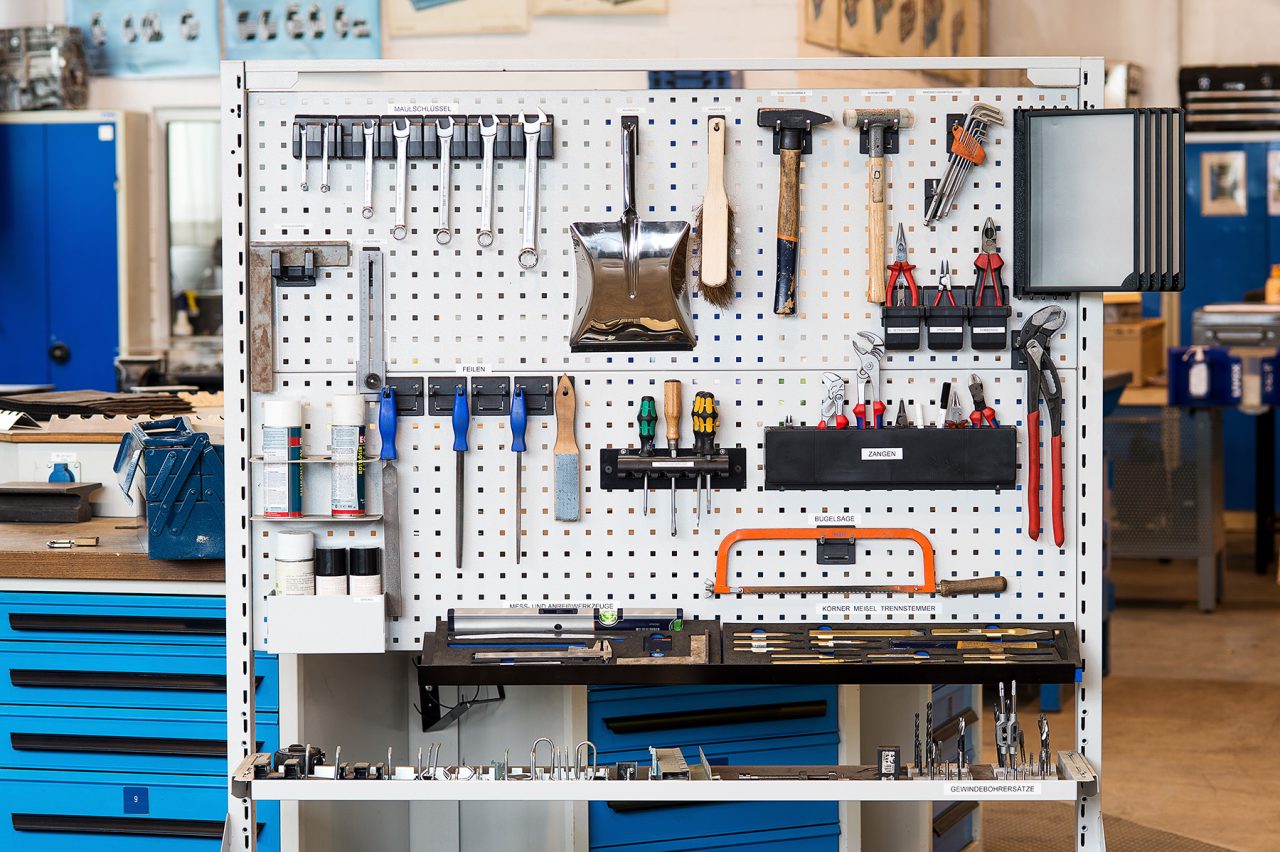
Lean implementation typically begins with training. The team learns the methodology, understands waste, and sees where flow can be improved. Then they return to the shop floor and encounter the same space as before the training. Tools are lying around, zones are unmarked, and information about process status resides in the shift manager's head.

The knowledge is there, but the conditions for its application are not.

DSC02856-male-1280x853.jpg
2026-07-08

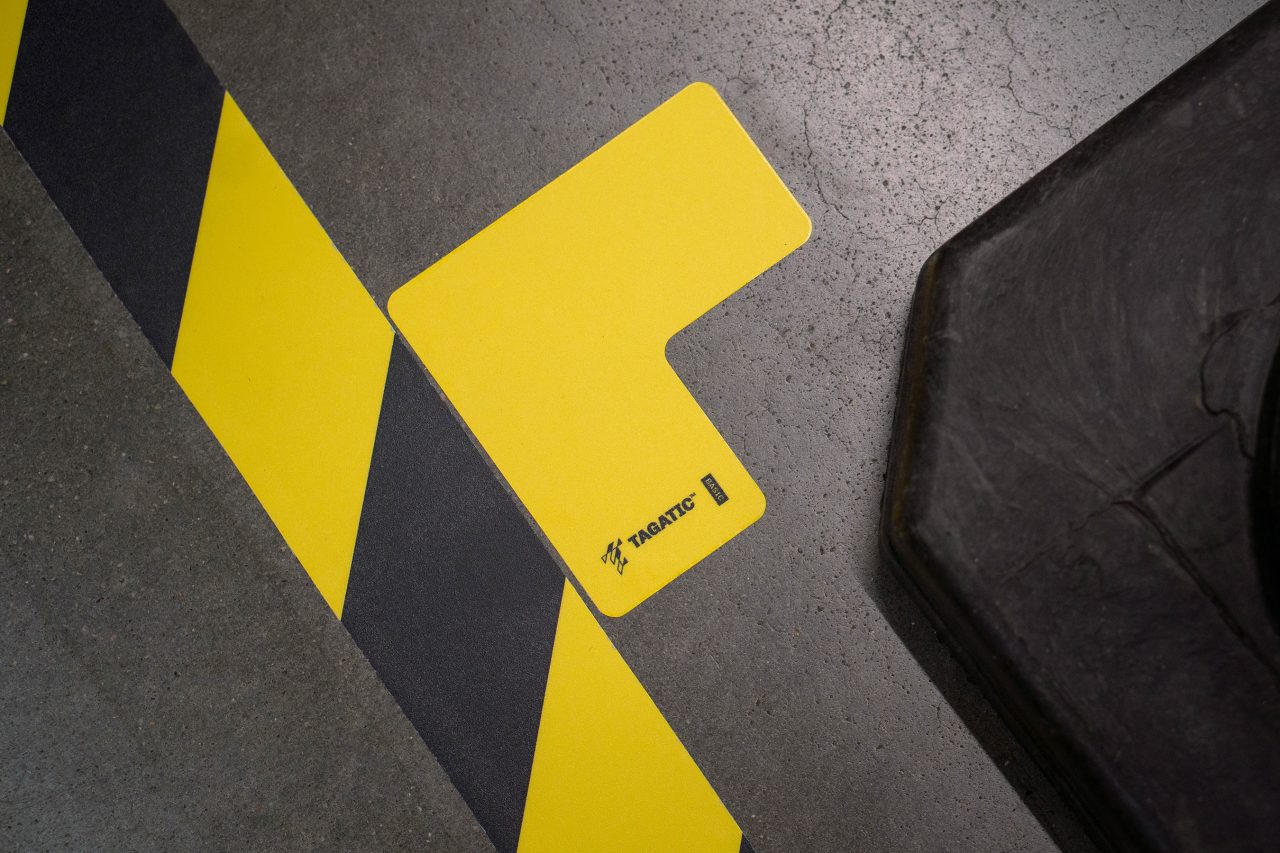
We sometimes hear people say that signage in the warehouse is a nice theory. That pallets don't end up in designated areas anyway, that a cleaning corner looks good in photos, but doesn't make much difference in practice. There's a grain of truth to this, but it applies only when signage or training is used separately, without a second element.


shutterstock_2470161833-1280x856.jpg
2026-05-14

Every minute of machine downtime costs money. In manufacturing plants where product changes are frequent, changeovers are one of the biggest time-wasters. SMED, a methodology for reducing changeover times to under ten minutes, is the answer to this problem.