
How to maintain order after implementing 5S?
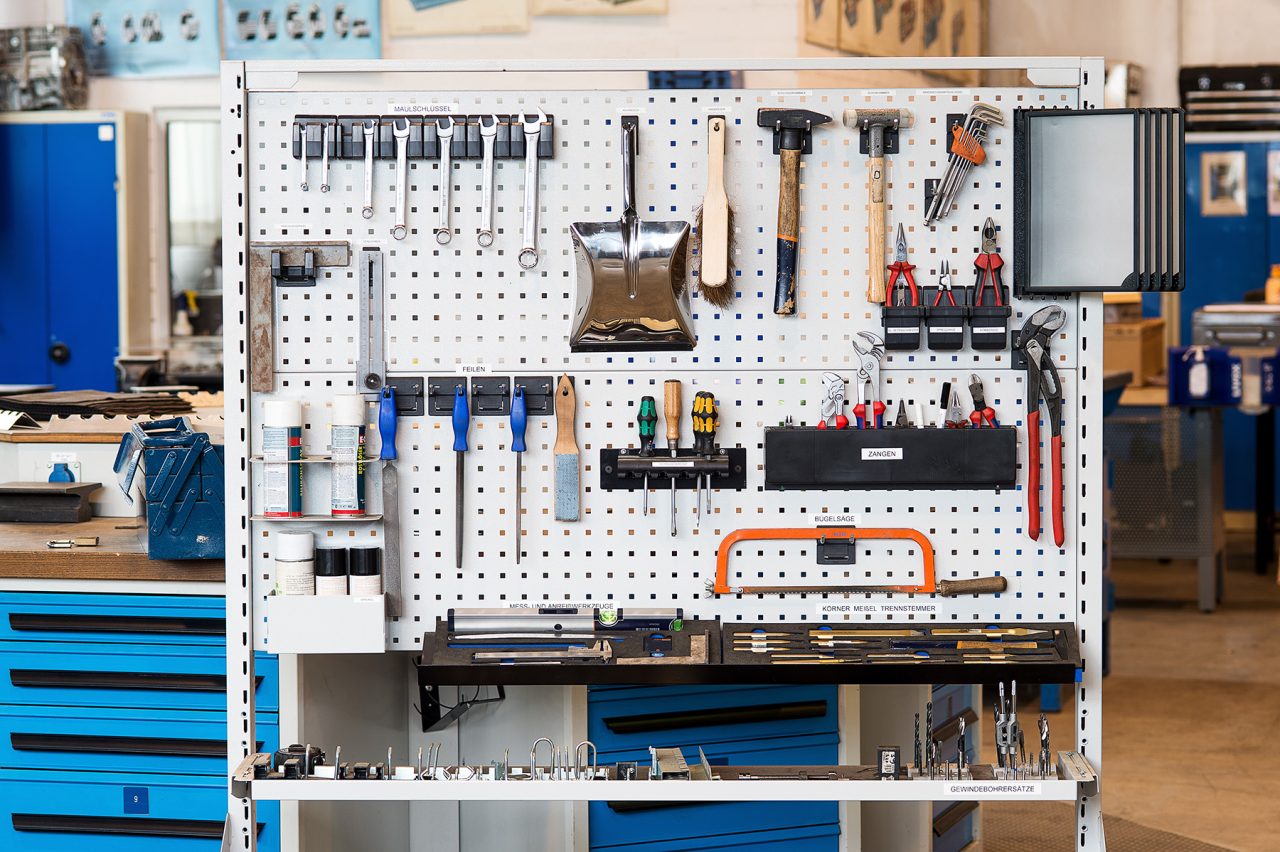
5S is one of the most popular methods of workplace organization. Most companies that implement it stop at the fourth S. The fifth, self-discipline, is the most difficult and the only one that cannot be implemented in a single action.
What is 5S and why the fifth S decides everything
5S is a workplace organization method derived from the Japanese manufacturing system. Its name comes from five steps: Seiri (sorting), Seiton (systematizing), Seiso (cleaning), Seiketsu (standardization), and Shitsuke (self-discipline). The first four Ss provide the tools for creating order. The fifth S, self-discipline, determines whether this order will be maintained year after year. It is the only S that cannot be implemented through the purchase of a product or a one-time action. It requires a change in habits, and habits change slowly.
Why is the fifth S the hardest?
The first four S's have a clear endpoint. Unnecessary items have been sorted, tool storage has been designated, workstations have been cleaned, and standards have been defined. The results are visible and measurable. The fifth S has no endpoint. It's a continuous process that doesn't end with implementation.
The difficulty is that the standard created by the first four Ss doesn't maintain itself. Small deviations appear every day: a tool misplaced, a buffer zone overcrowded, a manual not updated for months. Individually, each of these deviations seems insignificant. Over weeks and months, they lead to the gradual disintegration of the standard.
What makes the standard hold?
Research on habit formation shows that people are more likely to repeat behavior when the environment supports it. In the context of 5S, this means that the space should itself remind them of the standard, without requiring the employee's memory or willpower.
A shadow board at the workstation informs without words that a tool is missing. There's no need to remember where a wrench should be, as the outline is always visible. A marked maximum level next to the buffer zone prevents unknowingly exceeding the limit. Windows describing the zone's contents eliminate the question of "what should be here?" Each of these elements takes some of the burden off the user and transfers it to the space.
This does not eliminate the need for self-discipline, but it significantly lowers the threshold at which appropriate behavior is easier than inappropriate behavior.
Audit as a tool for maintaining standards
Regular 5S audits are one of the most effective mechanisms for maintaining the fifth S. Not because the audit itself changes behavior, but because the audit reveals deviations before they become the norm, and the audit results, displayed in the area, create team accountability for their standard.
A dry-erase board at each zone or production line allows audit results to be recorded directly at the location they pertain to. Status magnets provide a quick overview of which areas are up to standard and which require action. A manager walking around the production floor can see in minutes where standards are being met and where they are falling short, without having to consult reports.
It's also important that an audit cadence is established and adhered to. A quarterly audit isn't enough to detect minor deviations on an ongoing basis. Most facilities that effectively maintain the Fifth S conduct audits weekly or monthly, with results publicly available to the team.
Durability of marking and durability of the standard
A visual standard cannot be maintained if its physical components deteriorate and are not renewed. A shadow board with faded outlines ceases to function. A floor sticker that a forklift has been driving on for six months no longer marks the zone boundary. A boxed instruction that turns yellow and illegible is meaningless to the operator.
Maintaining the fifth S therefore also requires regular review of the physical condition of the marking and responding to its degradation before it becomes a reason to ignore the standard.
People, not just space
Space supports habits, but doesn't replace them. An employee who doesn't understand why a standard is structured this way will adhere to it as long as someone enforces it. An employee who understands the logic of the system and sees the connection between order in the workstation and their own effectiveness maintains the standard voluntarily.
Building this understanding is an area where it's worth seeking external support. Leantrix offers 5S and lean management training that focuses not only on the tools themselves but also on ensuring the team understands why these tools exist. This is the difference between a facility that implements 5S and one that maintains it for years.