
2026-04-23
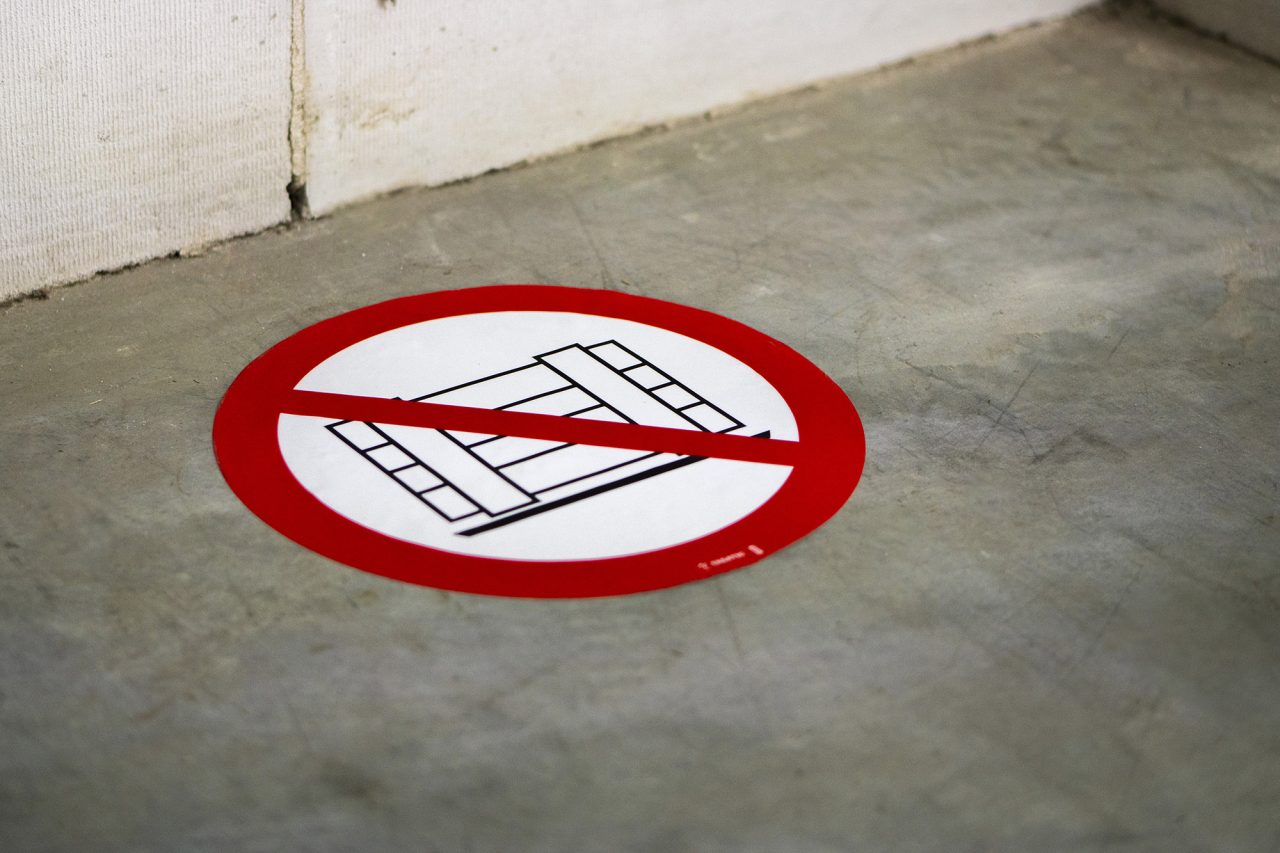
Visual management doesn't replace regulations or training. However, it ensures that safety information reaches people before they even have a chance to read it.
Visual management doesn't replace regulations or training. However, it ensures that safety information reaches people before they even have a chance to read it.

Have you ever finished a shift feeling like everyone was working hard, but the result wasn't good? The reason is almost always the same.
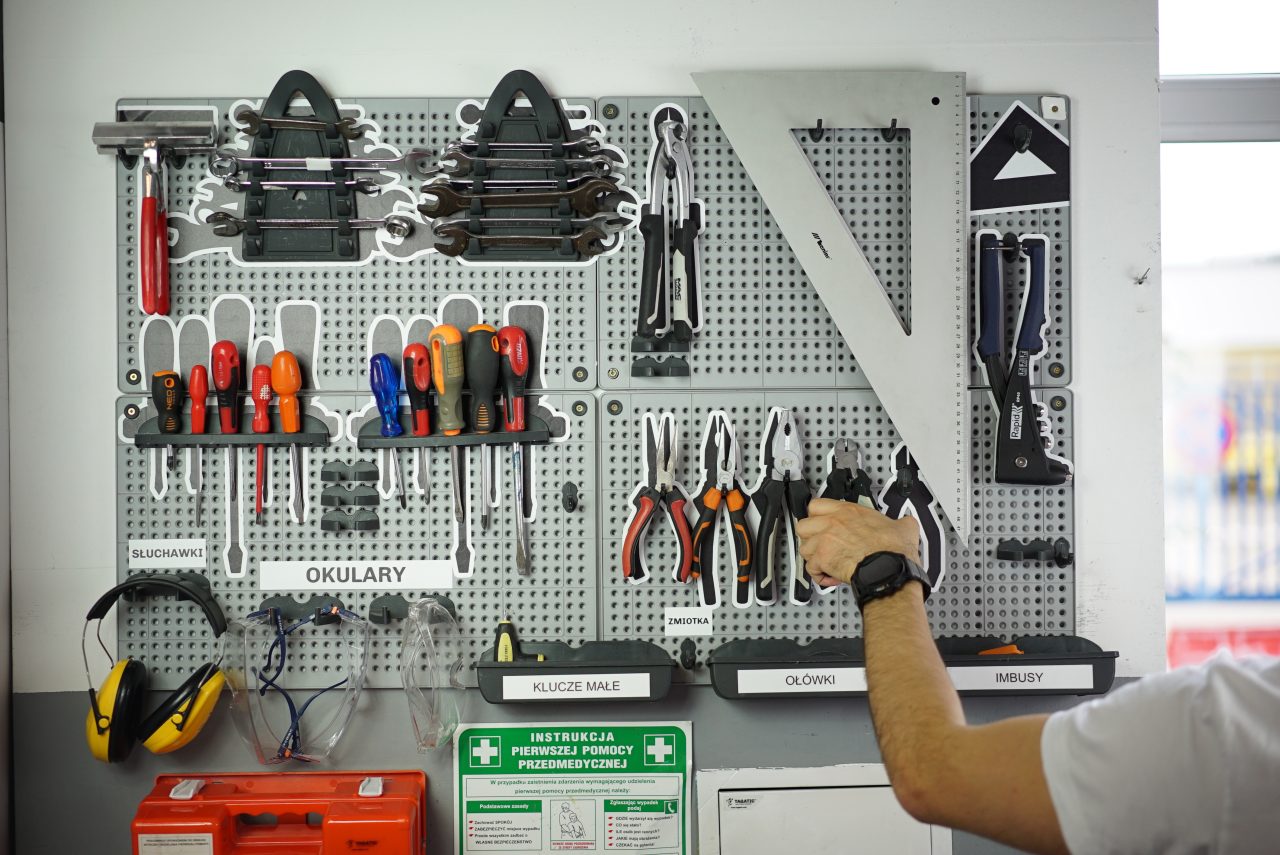
A shadow board is one of the simplest tools that quickly shows whether a 5S culture is really in place in a plant.

5S seems like the simplest Lean method. It has five steps, decades of history, and hundreds of descriptions online. Yet, 5S implementations return to the workshop agenda in the same plants year after year.
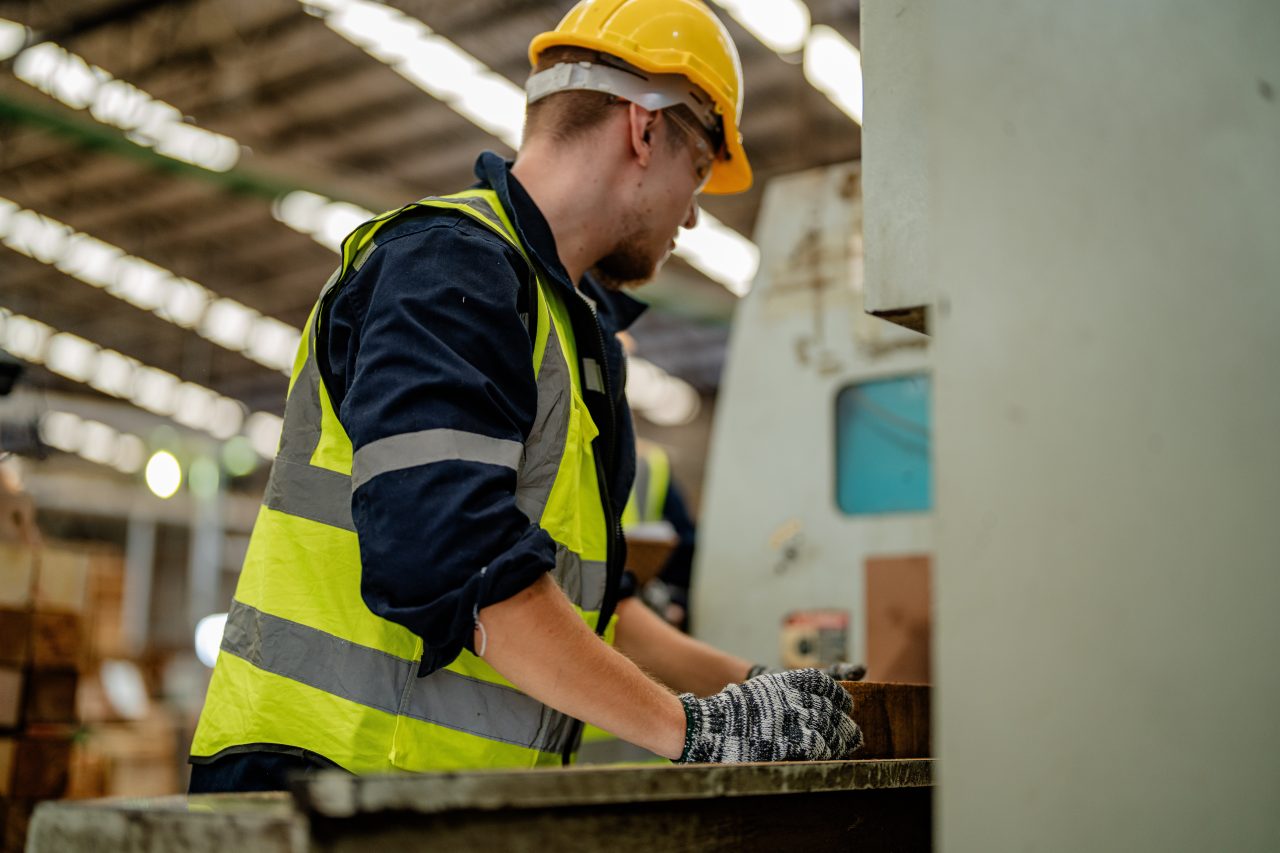
A machine breakdown in the middle of a production shift is one of those moments no one likes. The mechanic is busy elsewhere, the operator is idle, and the plan falls apart. And when the mechanic finally arrives and asks when the last time someone checked the oil level or cleaned the filter, the answer can be telling.
Do you manage a production floor and feel like you're putting out fires faster than you can prevent them? Are employees unsure what to do when the line stops? Is every day a struggle with downtime, shortages, and information chaos? If any of these situations sound familiar, you probably need Lean.
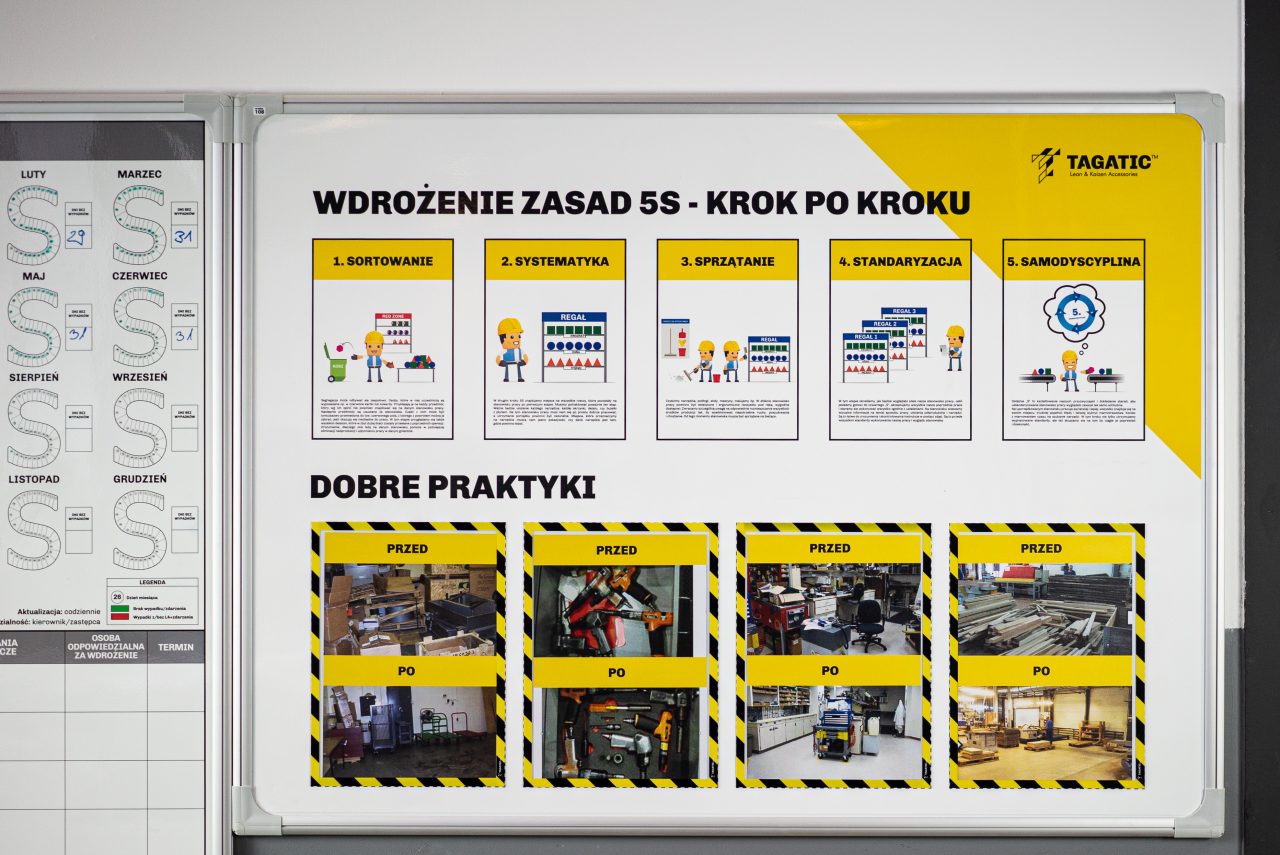
Reading books related to the 5s methodology or browsing articles available on the Internet, we can meet with various development of subsequent "S". We can also come across many academic discussions on how to correctly explain subsequent stages into Polish.
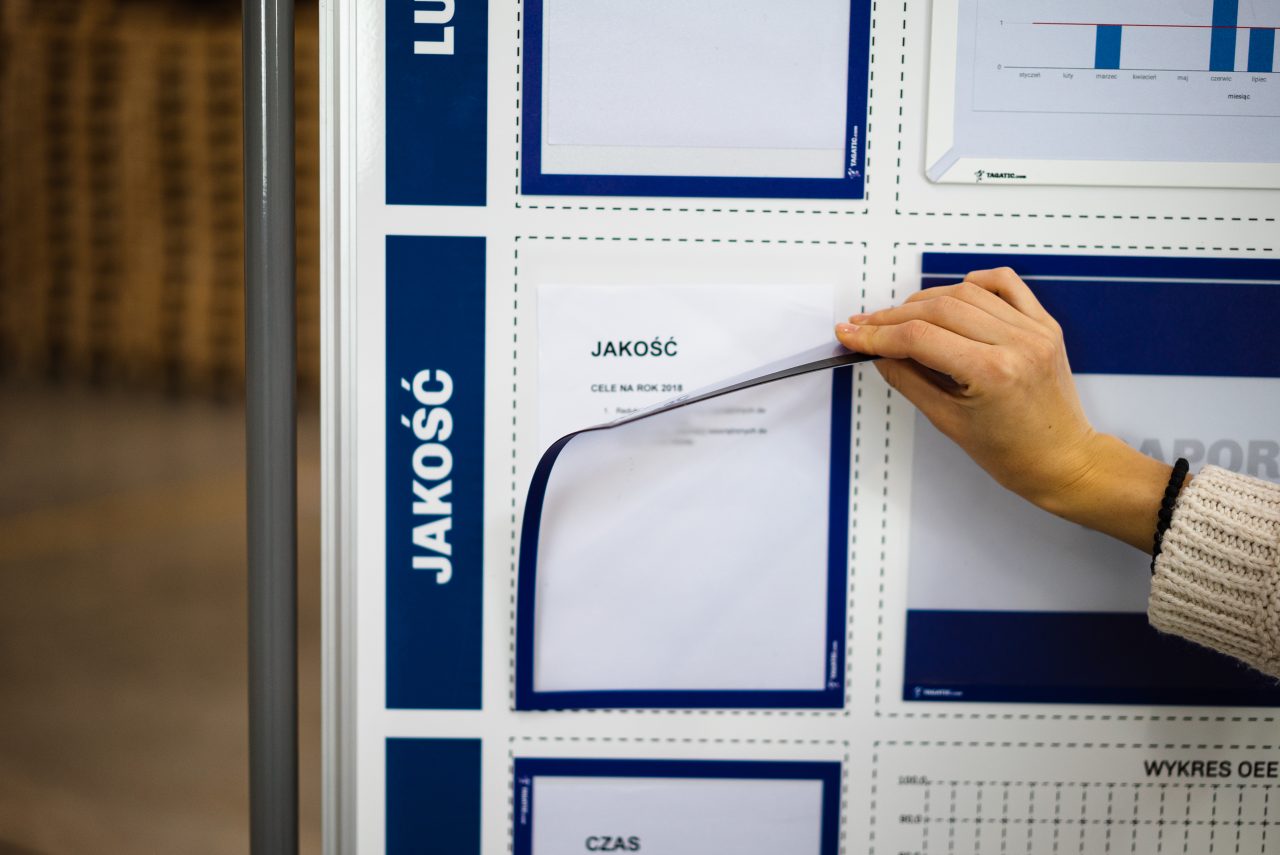
Effective management of documentation in the workplace is the key to increasing performance, elimination of waste of time and ensuring clear work standards. This issue applies to both industrial spaces, such as factories, warehouses and logistics centers, as well as office spaces. What tools allow you to effectively manage the circulation of documents?
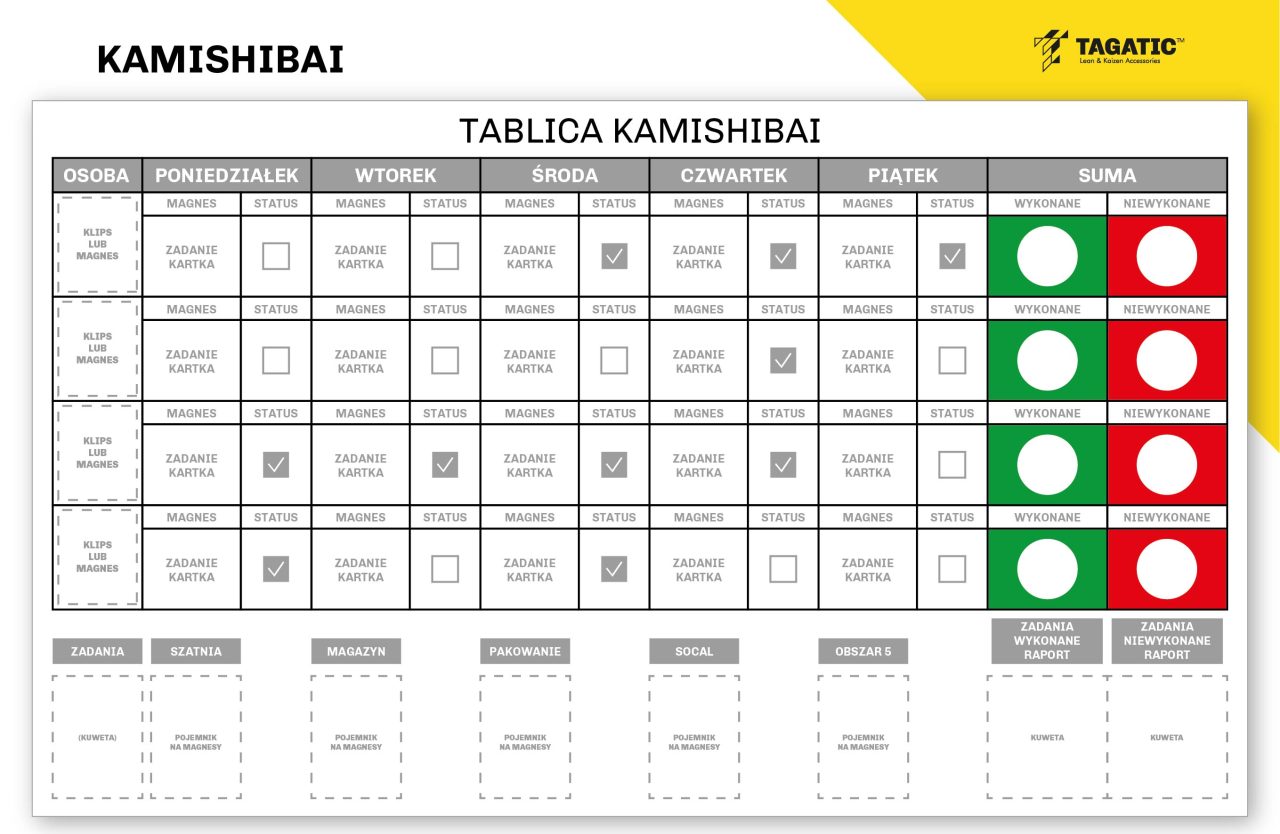
The key in the implementation of 5S is not to avoid errors. On the contrary - implementing new solutions requires openness to their commitment. Mistakes and failures are inscribed in the way of changes.
How to use boards for managing people and processes in the production environment? How to create a board design that meets your needs? How to check its usability? Damian Małolepszy in our latest video answers these questions.