
How to make floor tape last longer?
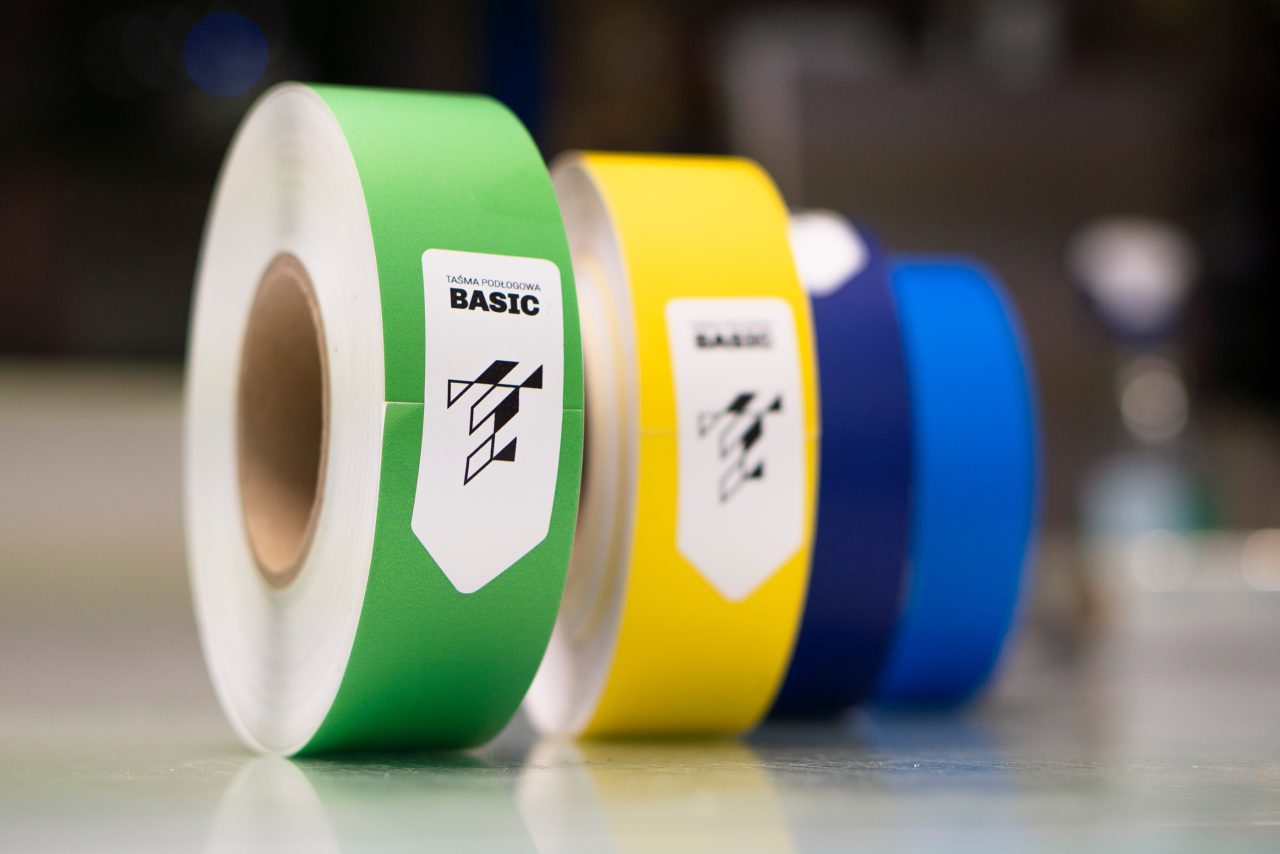
The durability of a floor tape depends primarily on the preparation of the substrate and the installation method, and only then on the product itself. The same BASIC tape can easily last several years in one facility and come off after a week in another, because each facility had a different floor condition and different application procedures. Before deciding which version to order, it's worth knowing what actually affects the marking's longevity.
What is floor tape
This floor tape is a self-adhesive film with UV printing and an R9 anti-slip laminate that is applied directly to the floor. It is available in two versions: BASIC, made of a monomeric film, and PRO, made of a polymeric film, which is more durable and better able to withstand harsh conditions.
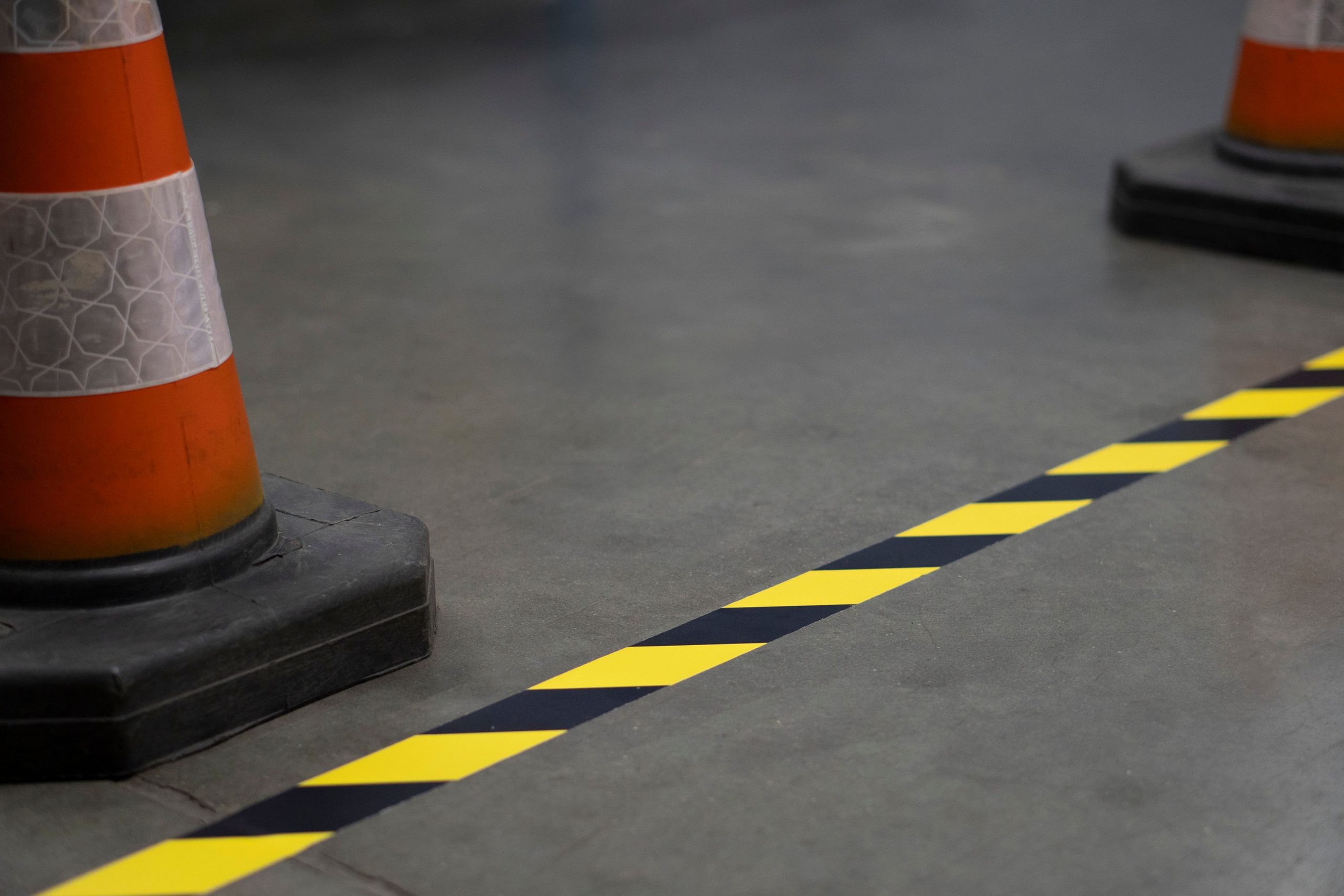
It is used to designate pedestrian and transport paths, storage areas, occupational health and safety areas, work station boundaries, and anywhere else requiring clear markings. Application doesn't require shutting down the building, is odorless, and doesn't require drying, which distinguishes it from painting.
Substrate preparation and installation method
The adhesive will not adhere to dust, grease, or moisture. The surface must be clean, dry, and degreased. This is a condition that determines the durability of the marking, regardless of the version chosen. Tape applied to an improperly prepared floor will peel from the edges after the first wash, even if the product is of the highest quality.
The installation itself is equally important: press firmly along the entire length, especially at the edges, which are the first to begin to lift. Detailed, step-by-step application instructions can be found on our website.

BASIC and PRO – how to choose the right version for your conditions
BASIC is suitable for pedestrian traffic and light handcarts. It works well in offices, low-traffic warehouses, and anywhere else where people primarily walk on the marked surface.
The PRO is designed for heavier use: it can withstand pedestrian traffic and hand pallet trucks, and with moderate traffic intensity, it can also handle light electric trucks. However, it is not designed for direct forklift access.
It's also worth remembering that the type of flooring matters. Adhesion on textured or painted surfaces may be different than on a smooth concrete floor. If in doubt, the easiest way is to order a Sample Box and test both versions in real-world conditions before placing a larger order.
Tape and Paint – When to Consider an Alternative
Tape offers flexibility: it can be changed, repositioned, and reconfigured with minimal effort. Floor marking paint is more durable under heavy forklift traffic and more resistant to aggressive cleaning agents, but requires the area to be shut down for application and drying. Changing the layout of painted markings is a significant undertaking.
In practice, many plants combine both technologies: paint on the main forklift routes, tape in zones that may change.
What if the tape tears?
It's inevitable. An edge will rise, someone will step on it, a gap will appear. What matters is what happens next.
Damaged markings can be quickly repaired: simply clean and dry the area and apply a new piece of tape. The problem arises when no one does this because no one feels responsible. One unsealed section signals a lack of adherence to standards, and the next inspection reveals more defects.
This is the fifth step of 5S. To implement it, it's crucial to build awareness among employees that maintaining signage is a daily part of the shop floor, just like any other task. Training sessions organized by Leantrix, a company specializing in the practical implementation of Lean Management in Polish manufacturing plants, are the best way to achieve this.