
TPM training – how to reduce the failure rate of machines in the production hall
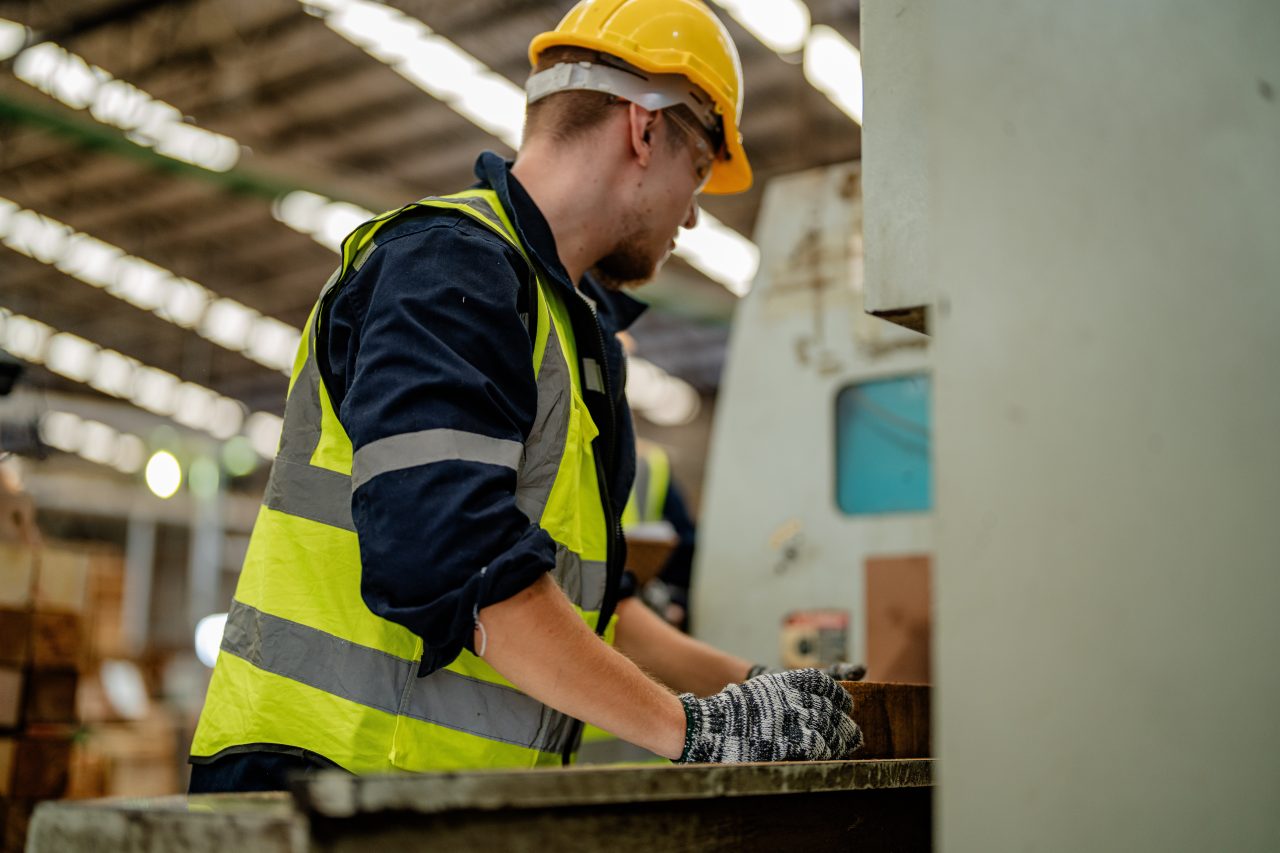
A machine breakdown in the middle of a production shift is one of those moments no one likes. The mechanic is busy elsewhere, the operator is idle, and the plan falls apart. And when the mechanic finally arrives and asks when the last time someone checked the oil level or cleaned the filter, the answer can be telling.
It's not because people are negligent. It's because no one ever explicitly told them that maintenance is their responsibility. The traditional model maintains a simple division: the operator produces, the mechanic repairs. TPM challenges this division.
What is TPM and why it starts with cleaning
Total Productive Maintenance (TPM) is a methodology that aims to eliminate all losses associated with machine operation, such as breakdowns, unplanned downtime, productivity losses, and defects resulting from poor equipment condition. Originating in Japan in the 1970s, it has since become a cornerstone of lean manufacturing .
The key idea is simple: the operator who works with the machine every day knows more about it than anyone else . They hear when something sounds unusual. They feel when vibrations are greater than they should be. They spot oil leaks before they cause problems. With TPM, this operator ceases to be just a user of the machine and becomes its first line of defense.
The first and most important pillar of TPM is autonomous maintenance. The operator takes responsibility for daily cleaning, visual inspection, and basic lubrication . And this is where something rarely addressed explicitly in training programs comes into play: autonomous maintenance is practically impossible without a clear visualization of health. The operator must know what the machine should look like to notice when something is wrong.
If you'd like to learn more about comprehensive TPM training and implementing the entire program at your facility, visit the Leantrix for a description of the approach and its individual pillars.
How does an operator know what is normal?
This is a question rarely asked in TPM training, but it should be one of the first. Operators are told to "check the oil level," but no one has marked the machine's level. They say to "clean the filter regularly," but there's no information on the machine about how clean the filter should look or when it was last done.
In such a situation, the operator does what anyone would do in their position: he or she judges by eye and assumes that if the machine is working, it must be fine. Until it stops working.
Good visualization at the machine eliminates this uncertainty . Marking the correct oil level range directly on the sight glasses or tank makes checking it take literally seconds and requires no expert knowledge. A sticker with the name and type of oil at the lubrication point eliminates the risk of confusion when a new operator or someone from a different shift arrives at the machine. A 5S frame at the workstation with the current inspection card ensures that documentation is always where it should be—at hand, not in a drawer.
These are the things we do at Tagatic . Oil labels mounted directly on machines, 5S self-adhesive frames for inspection cards and operating instructions at the workstation, cleaning zone markings. Simple tools that make standards visible.
TPM and 5S – one without the other does not work
There's a reason TPM implementation almost always begins with 5S . A machine surrounded by clutter can't be effectively maintained. If unnecessary items are lying around, if the floor is slick with oil, if no one knows what belongs in the workstation and what just sits there, no operator will be able to assess whether the machine is in good working order.
Cleaning in TPM isn't about aesthetics. It's about diagnostics. When an operator cleans a machine, they might notice a leak, a crack, a loose bolt, or excessive wear. A dirty machine hides these signals. A clean machine reveals them.
Therefore, the first step in autonomous maintenance is always a thorough cleaning , followed by a collaborative assessment of the equipment's condition. Only then can standards be established and the operator's daily routine planned.
If you'd like to learn more about how 5S lays the foundation for TPM, check out our article on 5S training . We explain where to start and what each of the five steps involves.
What are the benefits of a well-implemented TPM?
The most easily measurable effect of TPM is an increase in Overall Equipment Effectiveness (OEE) . It combines machine availability, efficiency, and production quality into a single number. An OEE of 60% means that for 40% of the time, the machine is either idle, producing slower than expected, or producing incorrectly. Every percentage point upward represents a real savings.
But TPM isn't just about numbers. In plants that have gone through this process, something more difficult to measure also changes: the attitude of operators towards the machines. When someone has a real impact on the condition of the equipment they're working on, they begin to treat it differently. They see problems earlier, report them more quickly, and don't wait for the mechanic to notice them themselves.
This requires good training and a positive work environment that visually supports appropriate behaviors. If you want to learn how to build a TPM program in your facility, Leantrix offers dedicated TPM training for production teams and maintenance leaders.
And if you're wondering whether the signage on your machines and stations is ready to support your operators in their daily checks, we can check it out together.
Want to see how Visual Management supports TPM in your facility?