2026-03-03
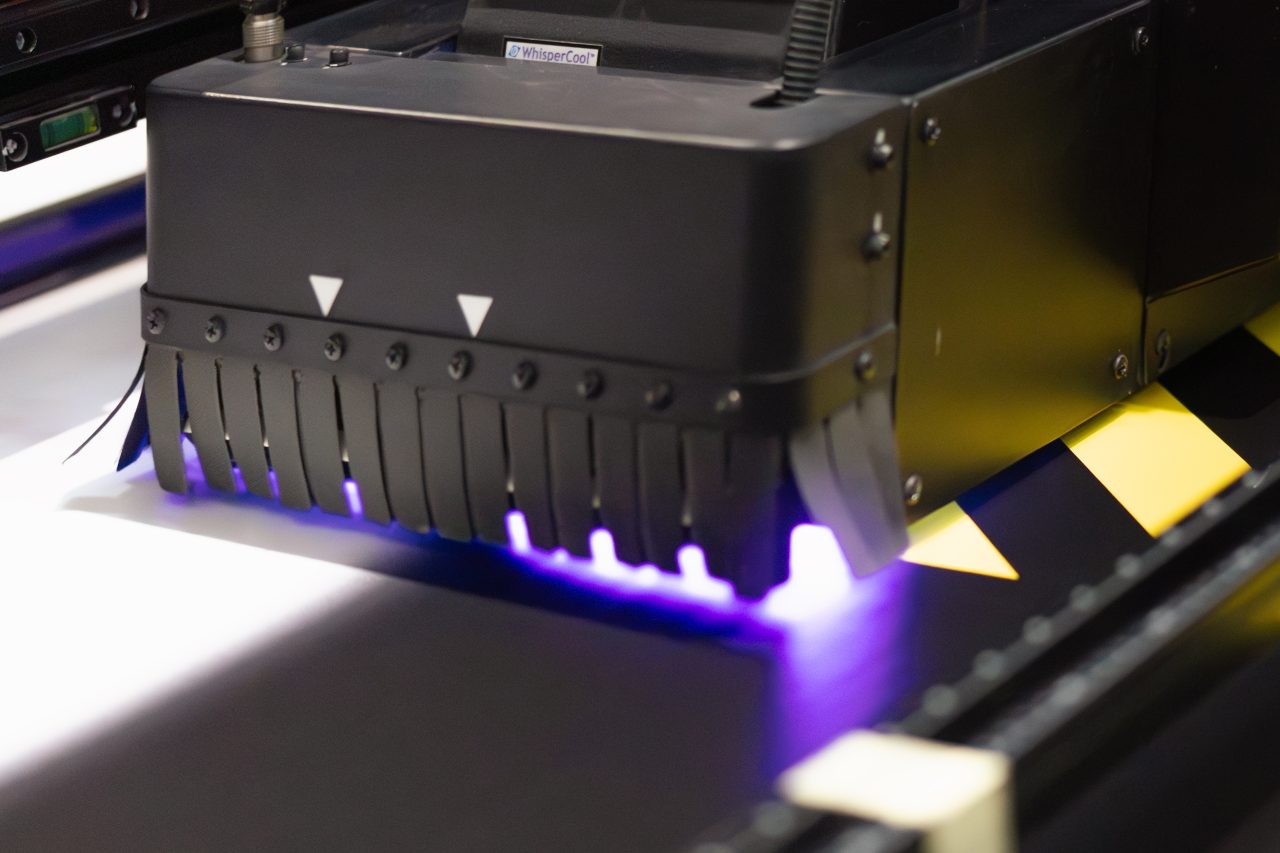
UV printing is a technology that allows you to apply durable, industrial-strength graphics to virtually any surface, including transparent plastics, foils, and PVC. Learn why we use it in our signage.
UV printing is a technology that allows you to apply durable, industrial-strength graphics to virtually any surface, including transparent plastics, foils, and PVC. Learn why we use it in our signage.

Proper road planning and design can reduce the risk of accidents and increase productivity. Minimum road widths are regulated by law, and their dimensions vary depending on the type of road and its intended use.
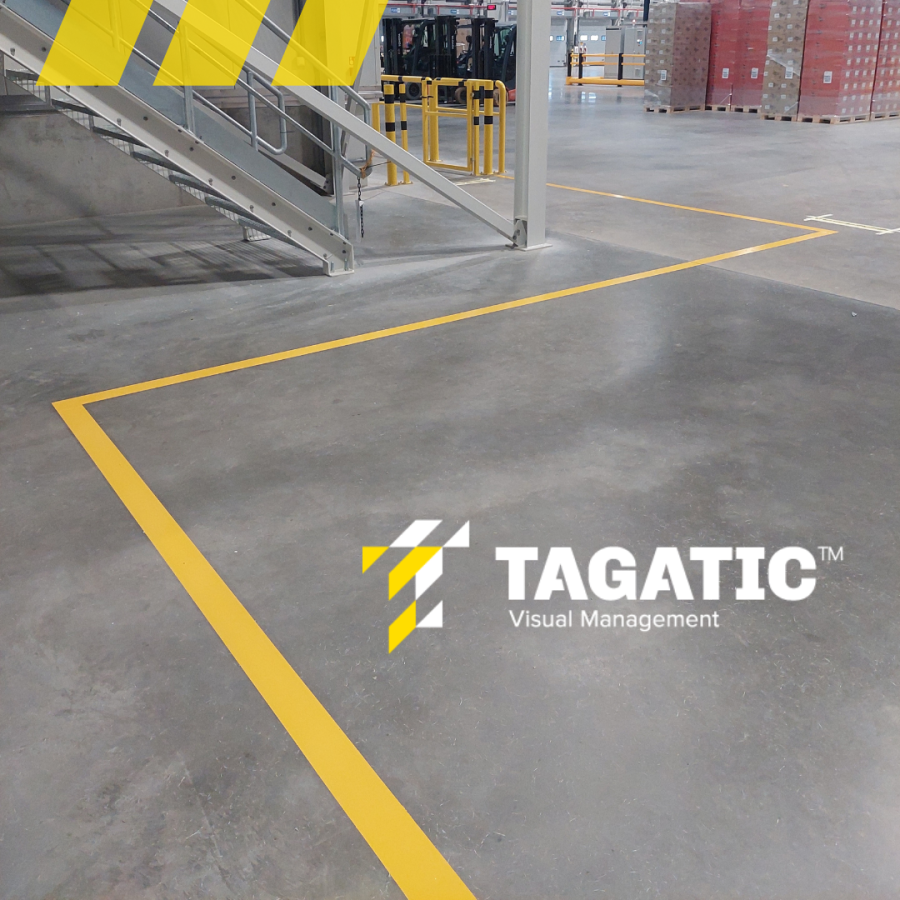
Proper road planning and design can reduce the risk of accidents and increase productivity. Minimum road widths are regulated by law, and their dimensions vary depending on the type of road and its intended use.
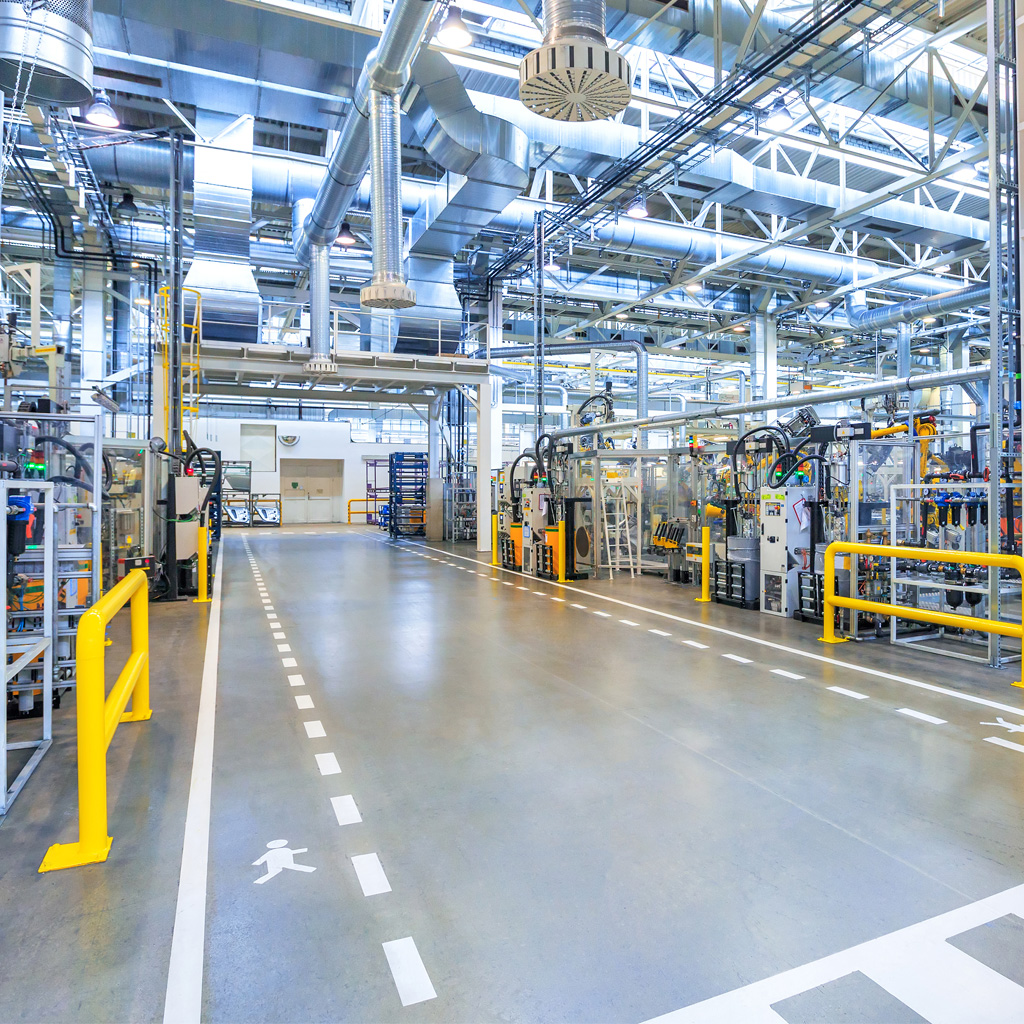
In this final article in a series devoted to internal traffic management, we focus on a stage that, while final, is undoubtedly one of the most crucial. Road design isn't a one-time event. Quite the opposite – monitoring and continuous improvement of the internal traffic management system are essential elements in every organization.
In every manufacturing plant or warehouse, proper organization of internal traffic plays a crucial role. This is not only a matter of operational efficiency but, above all, the safety of employees and visitors.
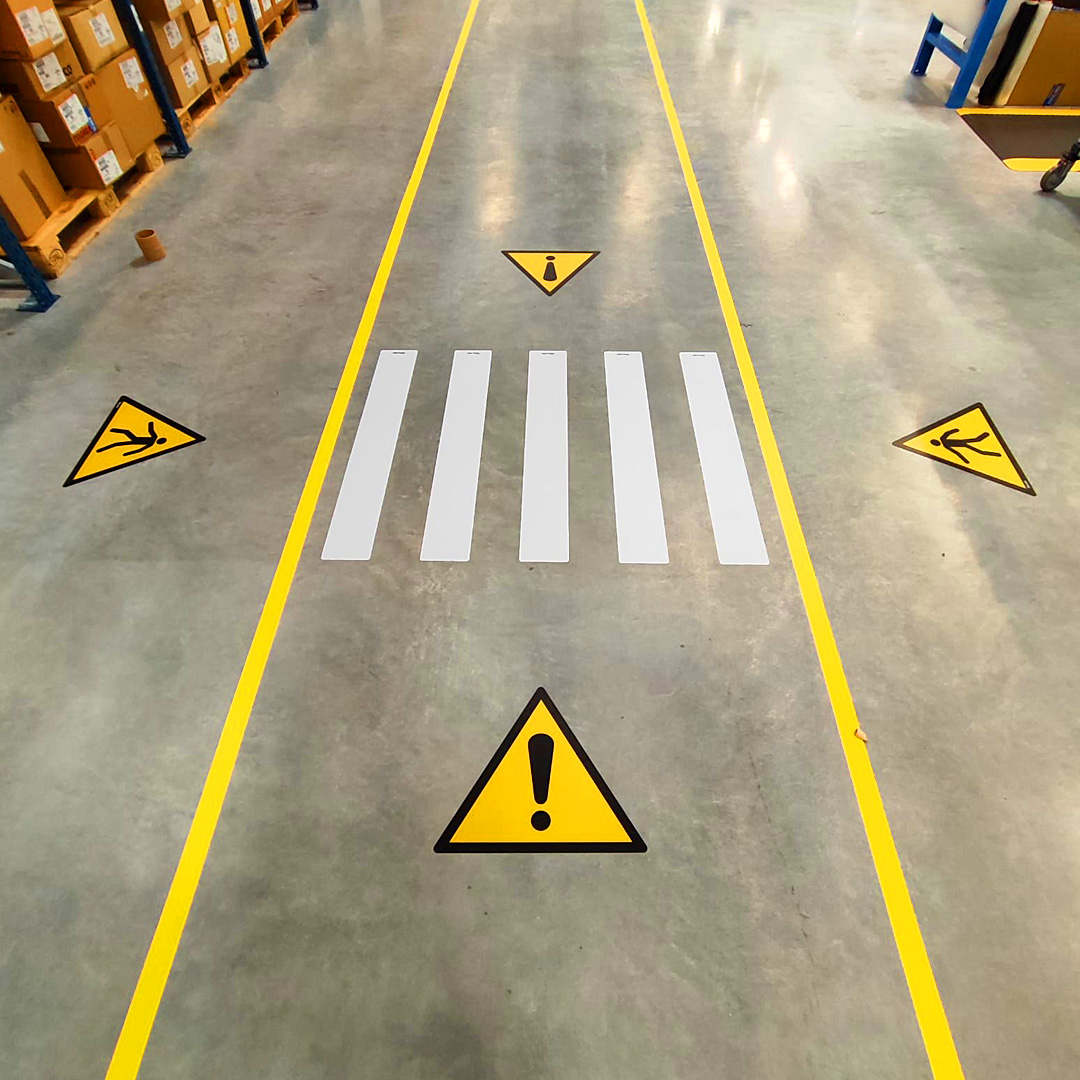
Effectively designing traffic routes within workplaces is crucial to ensuring employee safety and operational smoothness. Well-designed routes minimize the risk of accidents, facilitate movement, and contribute to increased work efficiency.
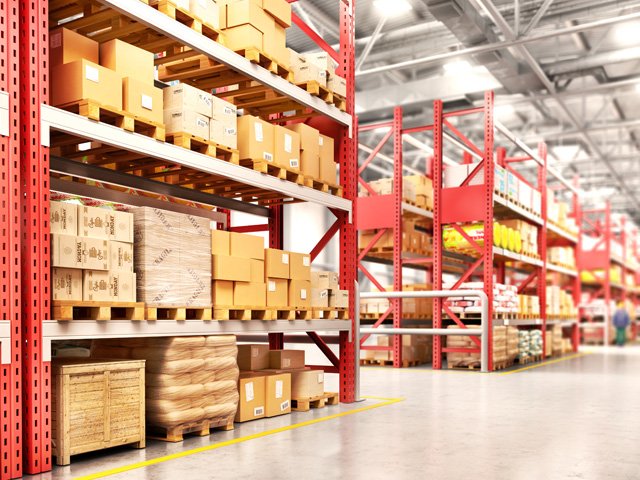
Discover the 6 essential elements that are key to optimizing any warehouse. From effective space management to efficient security systems, how can you transform your work environment for efficiency and safety?
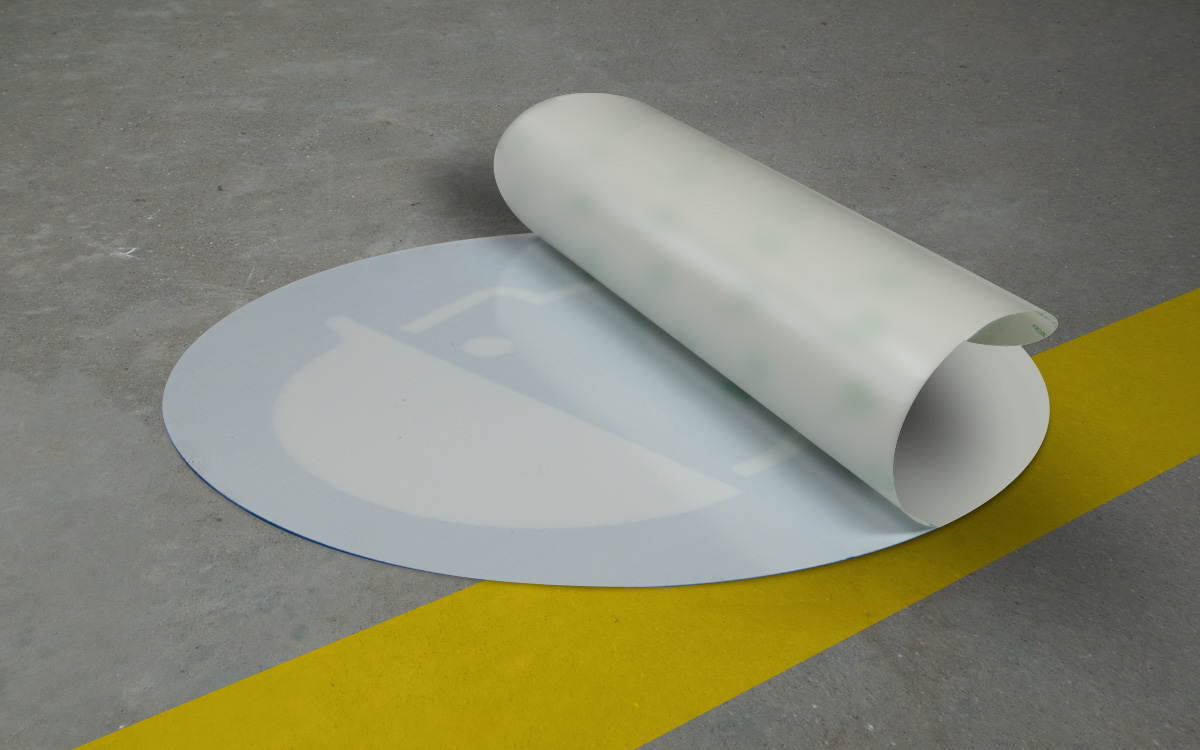
Floor decals are a key tool in organizing a safe and efficient industrial space. Their correct application is essential to maximize their durability and functionality. Here's a short guide to help you properly install Tagatic floor decals from the BASIC, PRO, and HEAVY DUTY series.
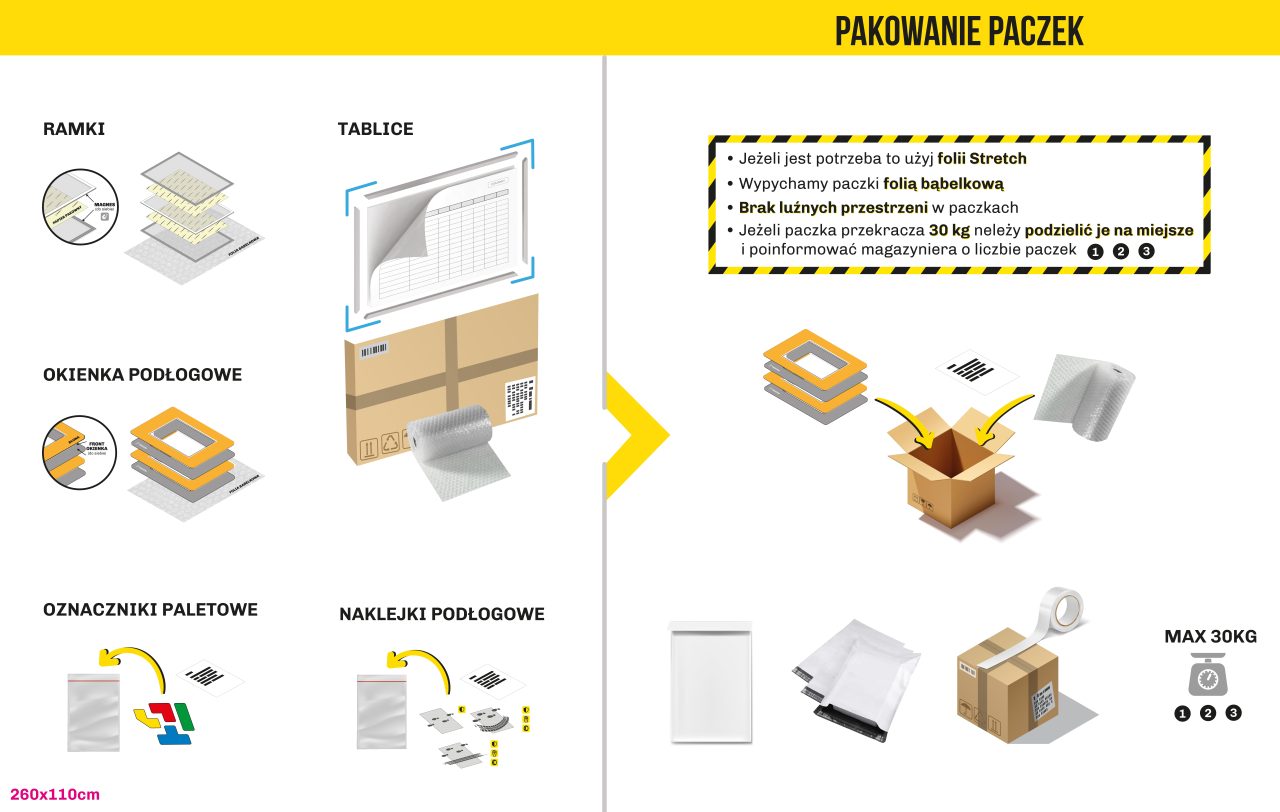
Contemporary jobs are often characterized by language diversity, which leads to communication challenges. Visual management is a key tool for transmitting information in such a way that they are understandable to every employee, regardless of his language origin.
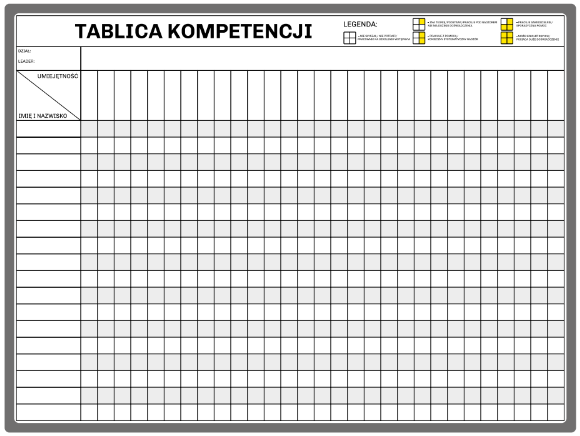
Competency boards, also known as competency matrices, are an invaluable workforce management tool. They help organizations understand their employees' skills, identify competency gaps, and plan team development. However, for such a board to be truly useful, it must be properly designed and visualized.